





A hole-in-one, also called an ace, is when your tee shot goes straight into the hole. It almost always happens on a par 3, where it counts as an eagle. On a par 4 it would be an albatross.
Why is it called an ace?
In playing cards, the ace is the "one." Golfers borrowed it for a hole played in one stroke. The word also carries its general meaning of the best, which fits the rarest good shot in golf.
The first recorded hole-in-one
The earliest hole-in-one recorded in championship golf belongs to Young Tom Morris, who aced the 8th hole at Prestwick during the 1869 Open Championship. He won four Open Championships (1868, 1869, 1870 and 1872) and is still one of the great figures of the game's early history.
Traditions
- Buying the round: at many clubs the golfer who makes an ace buys drinks for the group or the whole clubhouse. Some players carry hole-in-one insurance to cover it.
- Witnesses: an ace should be seen by someone in your group for it to count officially.
- Keeping the ball: most golfers retire the ball and keep it with the scorecard.
Common questions
What are the odds of a hole-in-one?
Commonly cited estimates put an average golfer's odds at around 12,500 to 1 on any given par 3, with better odds for tour pros. Numbers vary by source, but most golfers never make one.
Does a hole-in-one in a scramble count?
It counts as a great shot and a great story, but most golf associations only recognize aces made in individual play.
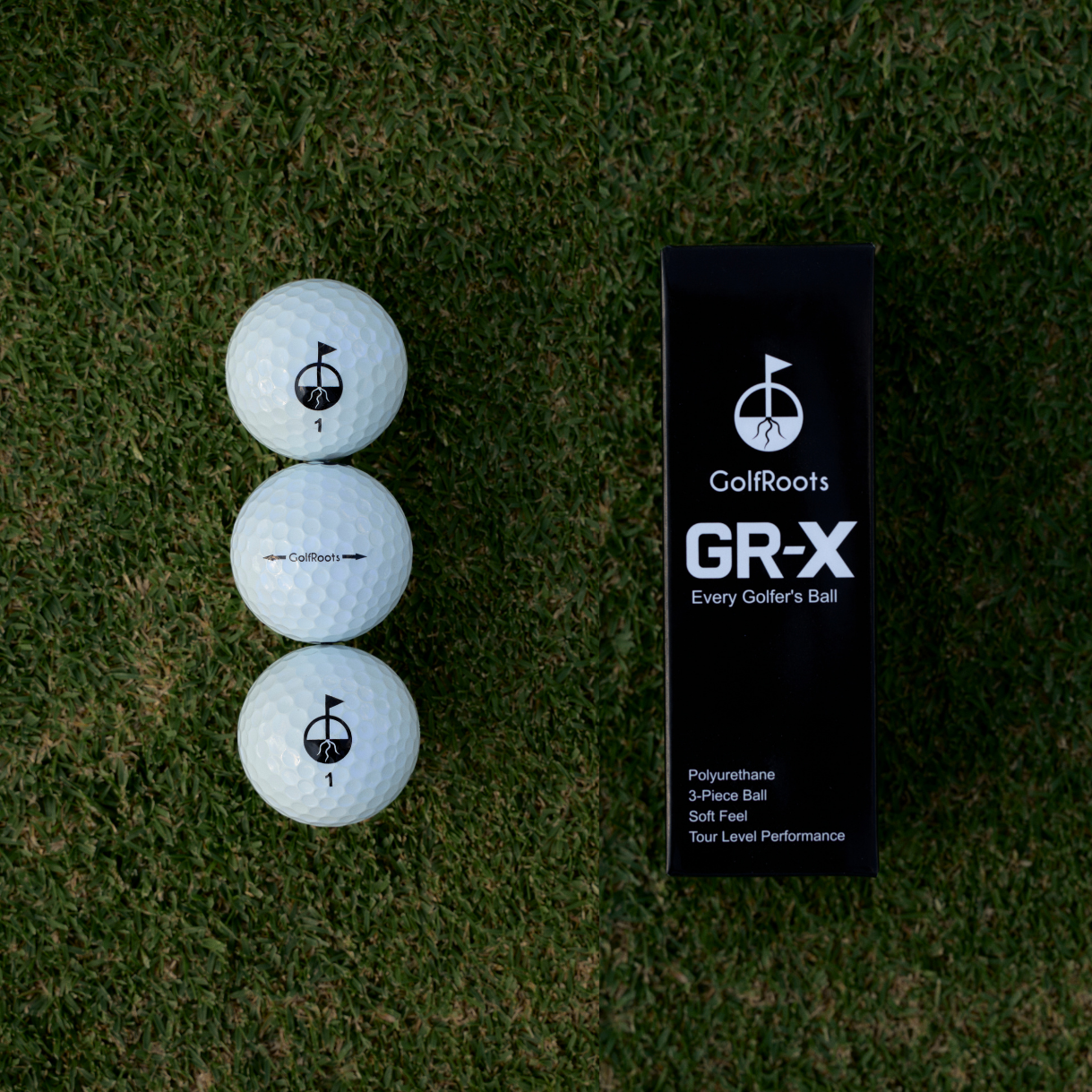
More golf words explained in our golf terms glossary. Want a ball worth framing? Try the GR-X.