


The yips are a sudden loss of control on short, simple strokes, usually putts and chips, where your hands jerk, twitch or freeze right as you start the club back or through. They hit experienced golfers more than beginners, and many golfers manage them with changes to grip, routine and equipment.
What do the yips feel like?
Most golfers describe one of three things: a flinch or jab right before impact, a freeze where the putter won't start back, or a wrist flip that sends a three footer sideways. It shows up most on short putts where the stakes feel high and the motion is small. Some golfers get it chipping too, and a few get it on full swings.
How common are the yips?
More common than most people think. Researchers at the Mayo Clinic found that 33 to 48 percent of serious golfers have experienced the yips at some point, and golfers who have played for more than 25 years appear most likely to have them. In other words, it's often the people who have putted the most who get it.
Plenty of great players have dealt with it. Harry Vardon, Ben Hogan, Sam Snead, Bernhard Langer, Ernie Els and Padraig Harrington are among the best-known names linked to the yips.
What causes the yips?
There isn't one cause, which is why there isn't one fix. Researchers generally describe it as a range between two things:
- Choking. Anxiety and overthinking. You get tense over a short putt, your grip pressure spikes and the stroke breaks down.
- Focal dystonia. An involuntary muscle movement tied to a repeated, practiced motion, similar to what some musicians experience. It can happen even when you don't feel nervous.
Many golfers have a mix of both. If you yip on the practice green with nothing on the line, that points more toward the physical side.
How do you fix the yips?
Most fixes work by changing which muscles control the stroke or by giving your brain something new to focus on. Try these one at a time:
- Change your grip. Cross-handed (lead hand low), the claw and the pencil grip all take the dominant hand out of the stroke. Plenty of tour players putt this way.
- Go bigger on the grip. An oversized putter grip quiets the small muscles in your hands and wrists. It's an easy, cheap change. See our grips.
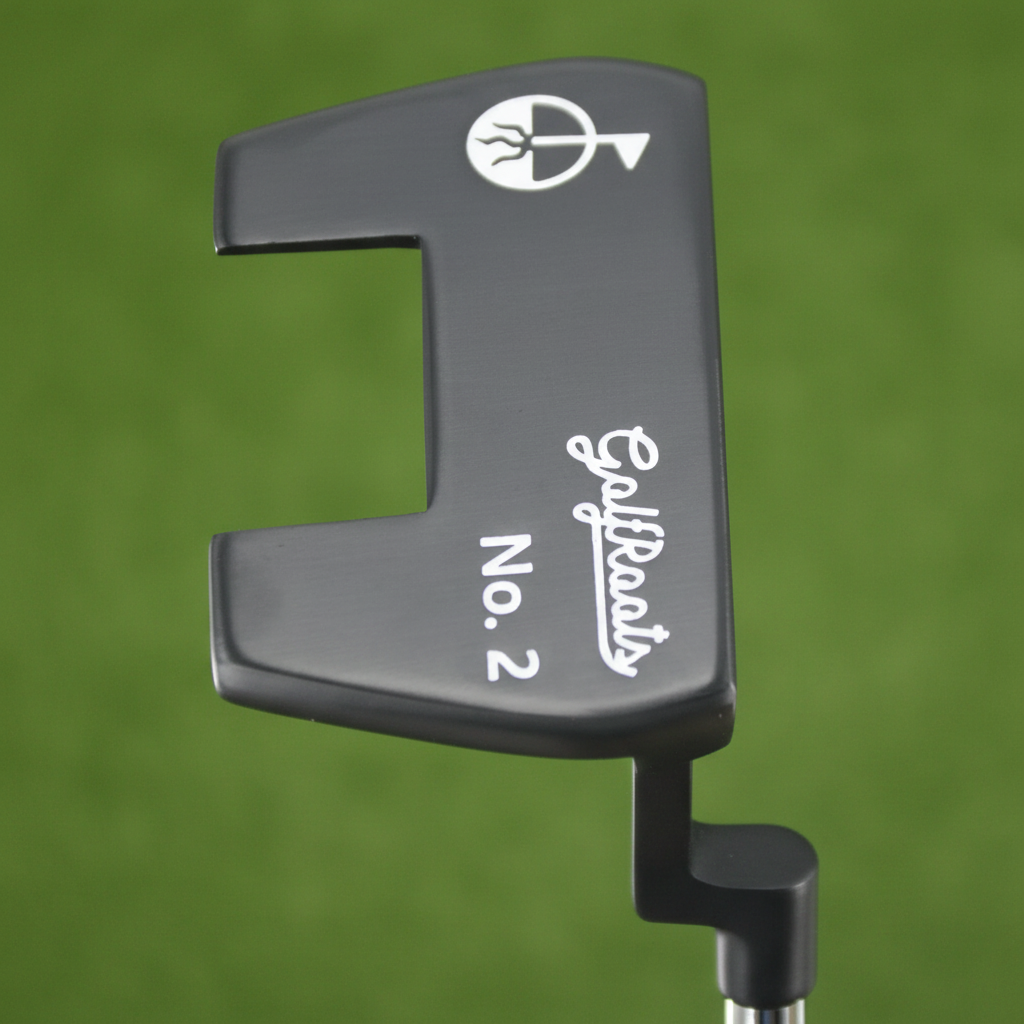
- Try a different putter. A heavier or arm-lock style putter can calm a twitchy stroke. Anchoring the club against your body has been against the Rules of Golf since 2016, but arm-lock putting (resting the grip against your lead forearm) is allowed. Browse used putters to try a new shape without paying new prices.
- Look somewhere else. Some golfers putt looking at the hole, or at a spot in front of the ball, instead of the back of the ball.
- Shorten the routine. Fewer practice strokes and less time over the ball gives the tension less time to build.
- Get another set of eyes. A good coach can spot the breakdown on video. Some golfers with stubborn yips also see a specialist.
Where does the term "yips" come from?
Tommy Armour is usually credited with popularizing the word. Armour was a Scottish-born pro who won the 1927 U.S. Open, the 1930 PGA Championship and the 1931 Open Championship, and later became one of golf's best-known teachers. He used "yips" to describe the twitchy putting that eventually pushed him away from tournament golf. Where Armour got the word, if he didn't invent it, isn't documented. It has since spread to other sports, where players use it for the same kind of sudden loss of a simple skill.
Common questions
Can beginners get the yips?
It's possible, but rare. The yips mostly show up in golfers who have played for years and have a lot of repetitions of the same stroke.
Are the yips all in your head?
Not always. Anxiety plays a role for many golfers, but research points to an involuntary movement component in others.
Does a new putter fix the yips?
Sometimes, at least for a while. A new grip size, weight or putting style gives your hands a different job. That's why trying a different used putter is a reasonable first step before spending big.
What's the difference between the yips and a bad putting day?
A bad day is misreads and poor speed. The yips are a jerky or frozen motion you can't control, and they come back round after round.
More golf words explained in our golf terms glossary. Related: what is a shank, what is a mulligan and what is a bogey. Thinking about a different putter shape? Read about L.A.B. Golf zero torque putters.