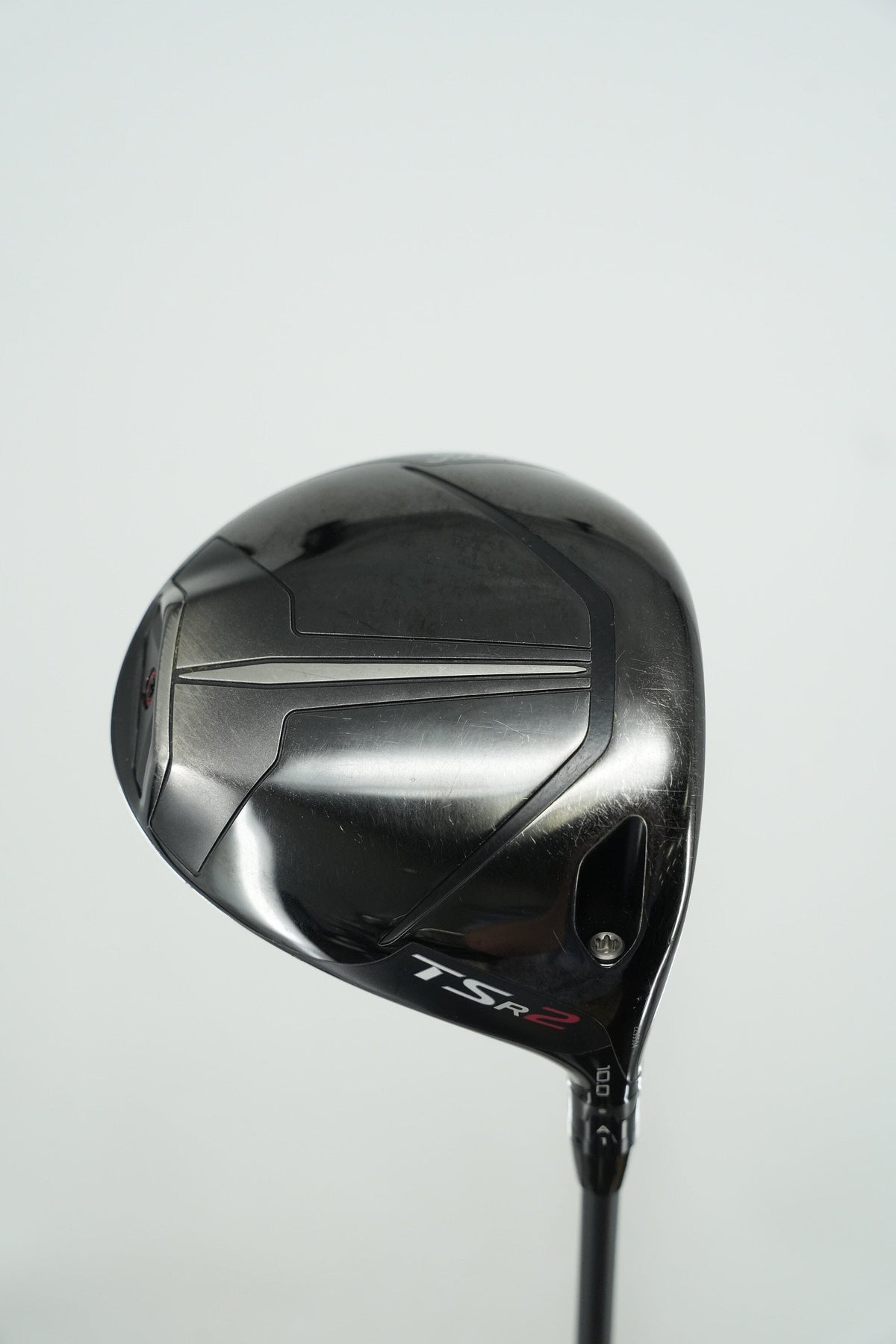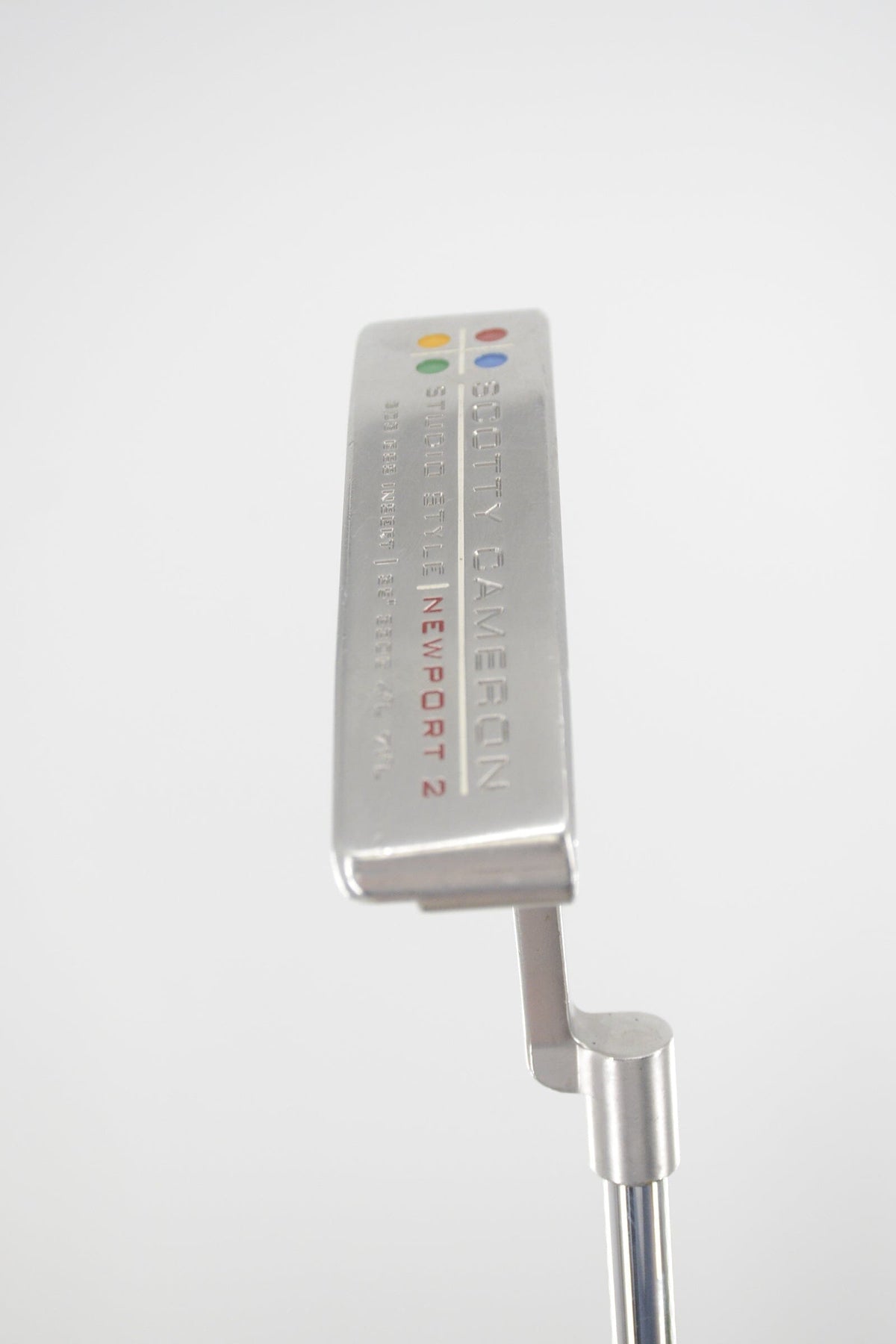


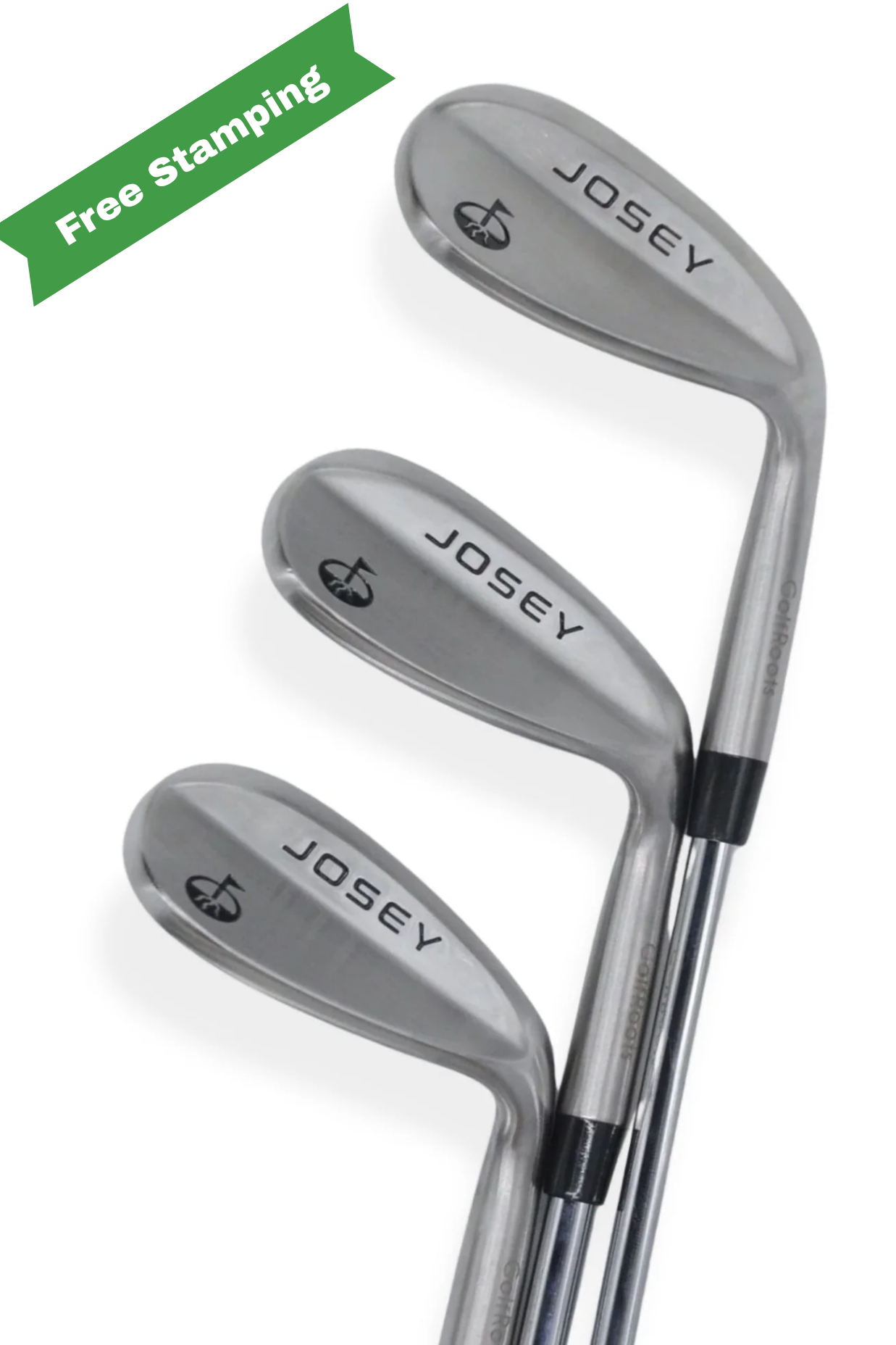
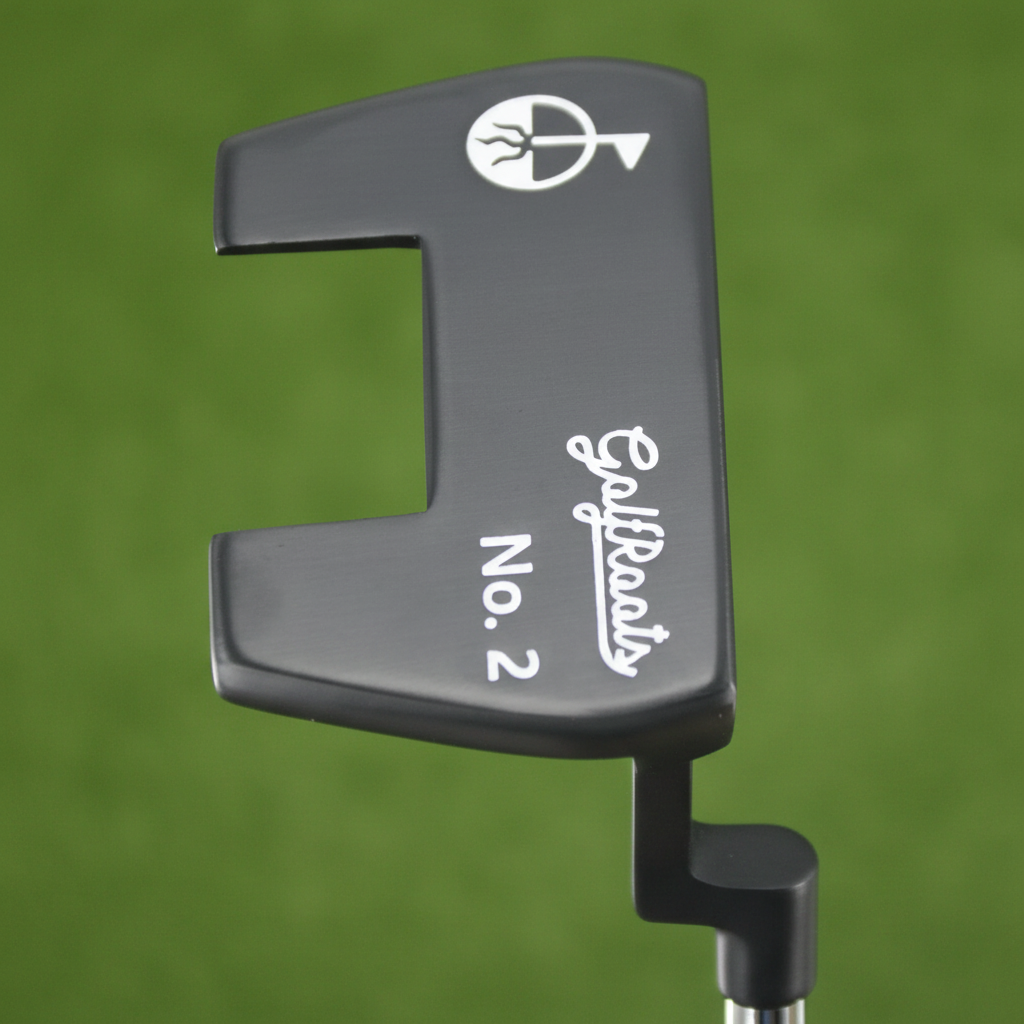


A shank is a shot struck on the hosel, the neck where the shaft joins the clubhead, instead of the clubface. For a right-handed golfer the ball shoots sharply right, often almost sideways, and it usually happens with irons and wedges. It's the most feared miss in golf, but the cause is almost always simple: the hosel got to the ball before the face did.
What does a shank look like?
The ball comes off low and dead right (dead left for a left-hander) with a dull, clanky feel. Unlike a slice, it doesn't curve away gradually. It starts wrong and stays wrong. You'll often see a mark on the hosel afterward.
What causes a shank?
Anything that moves the club farther from your body at impact than it was at address can put the hosel on the ball. The usual suspects:
- Weight on your toes. If your weight drifts toward your toes during the swing, your body moves closer to the ball and so does the hosel.
- Standing too close. Crowding the ball leaves no room for the face to arrive first.
- An over-the-top or very in-to-out path. Either one can push the club outward through impact.
- Wide-open clubface. Fanning the face open exposes the hosel, which is common on short pitches and flop shots.
- Tension and fear. After one shank, many golfers tense up, stand closer and steer the club, which makes the next one more likely.
How do you stop shanking?
- The two-ball drill. Put a second ball (or a headcover) just outside the ball you're hitting. If you hit the outside object, your club is moving outward. Swing so you only touch the inside ball.
- Check your weight. Feel your weight in the middle of your feet, even slightly toward the heels, at address and through the swing.
- Back up half an inch. Simple, but it works for a lot of people mid-round.
- Aim at the toe. Try to strike the ball toward the toe of the club for a few swings. Most shankers find the center this way.
- Use foot spray or impact tape. Seeing where you're actually making contact takes the guesswork out.
Is a shank the club's fault?
Almost never. A shank is a strike location problem, not an equipment problem. That said, some golfers feel more confident over a wider sole or a cavity back, and confidence matters when you're fighting the shanks. If your wedges are worn smooth or the bounce doesn't suit your swing, read wedge bounce explained before buying new. You can try a different shape through our used iron sets or used wedges without paying new prices, and our guide to the different types of irons explains the options.
Where does the word "shank" come from?
Nobody has pinned it down. The most common explanation is that it refers to the shank or neck of the club where the ball is struck, but we couldn't find a reliable early written source that shows when "shank" first appeared in golf. In Scotland the same miss is called a "socket," since the hosel has also been called the socket. The Scottish National Dictionary records "socket" as a golf verb, meaning to hit the ball in the angle between the head and the shaft, from 1950. Golfers are also famously superstitious about the word. Plenty of players won't say it out loud on the course and call it "the hosel rocket" or "the s-word" instead.
Common questions
What's the difference between a shank and a slice?
A slice is hit with the clubface and curves right gradually. A shank comes off the hosel and shoots right immediately with little curve.
Can you shank a driver?
It's rare. The miss with a driver is usually a heel strike that goes low and right, not a true hosel hit.
Why do shanks come in bunches?
Because the fix most people try in the moment, standing closer and steering, makes it worse. Take a breath, back up slightly and swing to the inside ball.
Is a shank a penalty?
No. It's just a bad shot. It only costs extra strokes if the ball ends up out of bounds or in a penalty area.
More golf words explained in our golf terms glossary. Related: draw vs fade, what are the yips, why golfers yell fore and what is a mulligan.