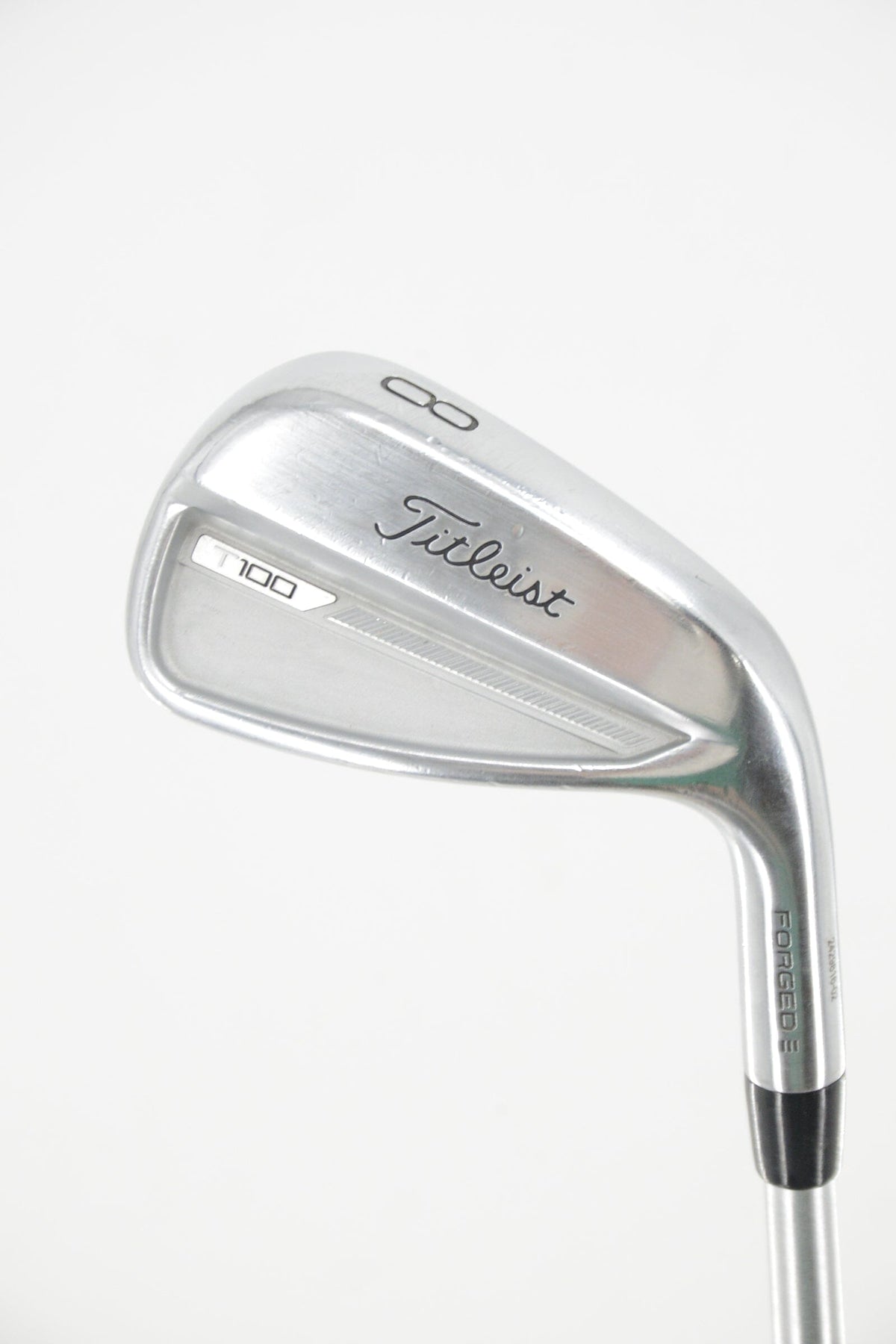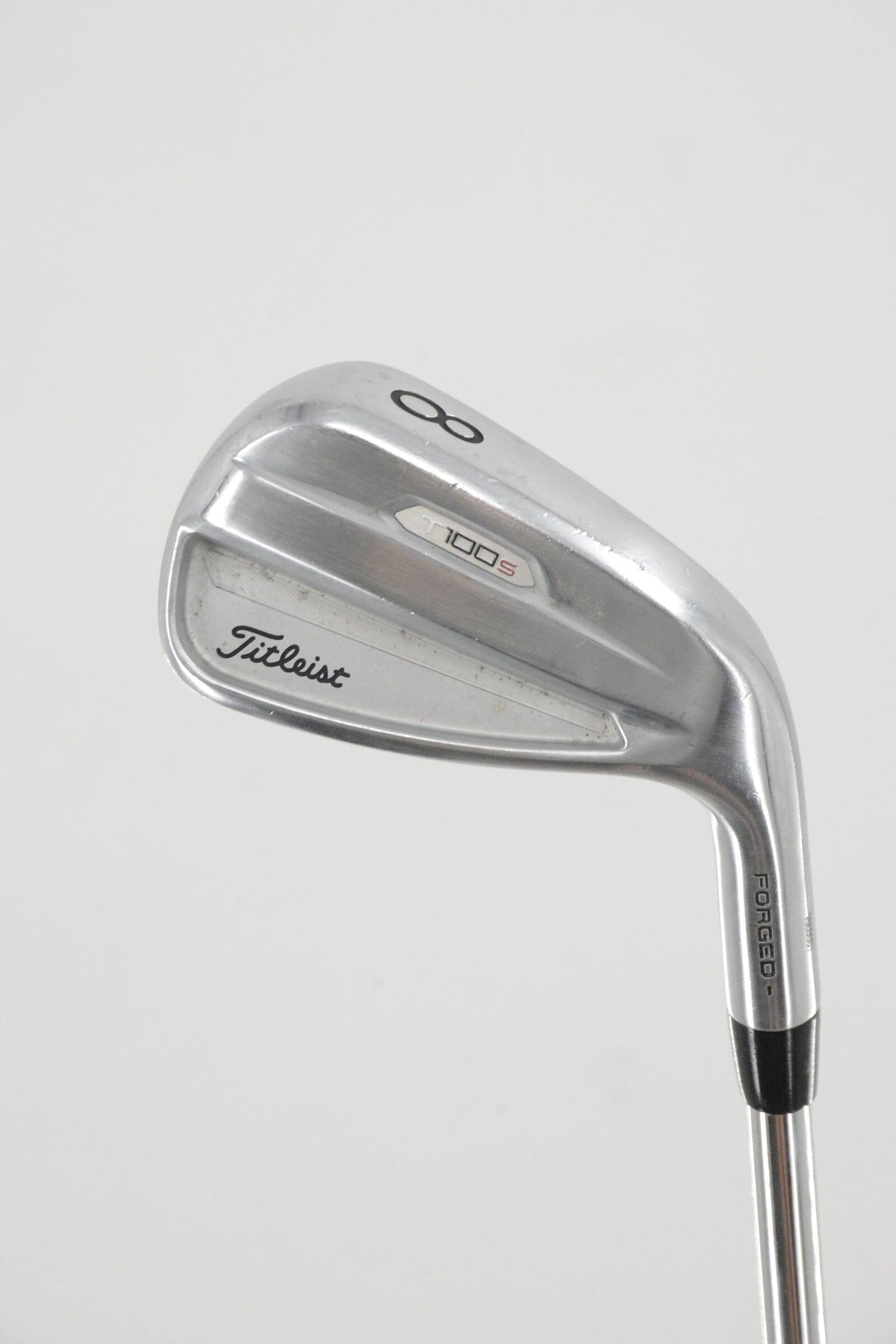




A bump and run is a low shot played from near the green that carries a short distance and then rolls most of the way to the hole. You hit it with a lower-lofted club, usually a 7, 8 or 9 iron or a pitching wedge, and you make a short putting-style stroke instead of a full swing.
Why the bump and run is the safest short-game shot
A lofted chip asks you to control carry distance, spin and a steep angle of attack, all with a club whose leading edge is easy to catch. A bump and run asks you to control one thing: how far the ball rolls. Less loft means less can go wrong, and the ball spends most of its journey on the ground where slope and pace are easier to read.
That is why good players reach for it by default and only add loft when something forces them to.
When to use it
- You have green to work with between you and the hole.
- There is nothing to carry: no bunker, no deep rough, no mound.
- The lie is reasonable and the ground is firm.
- You are into the wind.
- You are short-sided and unsure, and a long roll from the wrong side is still better than a bladed wedge.
Use a lofted chip or a pitch instead when you must carry something, when the pin is tucked just over the fringe, or when the green runs away from you and only backspin will hold it.
Which club for a bump and run?
Pick the club by the carry-to-roll ratio you need. These are working starting points, not laws, and they shift with green speed and firmness.
| Club | Rough carry to roll | Use when |
|---|---|---|
| 7 iron | About 1 part carry to 4 parts roll | Long way to the hole, plenty of green |
| 8 iron | About 1 to 3 | Medium length, flat green |
| 9 iron | About 1 to 2 | Shorter roll needed |
| Pitching wedge | Roughly 1 to 1 | Close to the green, pin not far on |
The simplest way to use this: pick the spot on the green you want the ball to land, estimate the roll from there to the hole, then choose the club whose ratio fits. Do it once per shot and commit.
How to hit it, step by step
- Narrow your stance to about the width of your shoulders or less, with your feet slightly open.
- Play the ball back of center, roughly off your trail heel. This keeps the loft down and makes ball-first contact easy.
- Put your hands slightly ahead of the ball and your weight a touch on the lead foot. Keep both there.
- Grip down and stand closer, so the club feels more like a putter in your hands.
- Make a short, smooth stroke from the shoulders. No wrist flip, no scoop, no trying to help the ball up. The loft on the club handles that.
- Keep the length of the stroke proportional to the distance, and keep the tempo identical every time.
The most common mistake is adding wrist hinge at the last moment to lift the ball. That is where thin and fat shots come from. Trust the back ball position.
Bump and run vs chip vs Texas wedge
These three shots sit next to each other on the same scale, from all roll to all carry:
- Texas wedge: putter, rolls the whole way, needs smooth firm ground.
- Bump and run: iron, short carry then long roll, needs green to work with.
- Chip and pitch: wedge, mostly carry, for when you have to fly something.
- Flop shot: lob wedge, all carry and a dead stop, the highest-risk option.
Work from the bottom of that list up. Choose the least lofted shot that gets the job done.
Where the term comes from
The name is simply descriptive: the ball bumps into the ground and runs. It is strongly associated with links golf in Britain and Ireland, where firm turf, wind and large approach areas make a low running shot the standard way to get the ball near a hole. American golf courses with soft, watered greens pushed players toward lofted wedges instead, which is part of why the shot feels old-fashioned to some golfers.
We have not found a documented first printed use or an individual credited with naming it, so we will not claim one. The phrase appears to have grown out of ordinary description rather than any single moment.
Does it work on Dallas courses?
It works very well. North Texas bermuda approaches get firm from June through September, and the wind is a constant. A 9 iron bump and run from the collar is a more reliable shot on most DFW municipal courses than a 60 degree wedge, especially on tight, dry lies where there is no cushion under the ball.
Do you need to buy anything?
No. You already own the clubs. If you want a dedicated chipping club, a used single 8 or 9 iron is one of the cheapest useful purchases in golf. We stock single irons and used wedges at our shop in Farmers Branch, and you can test the contact on our in-shop simulator. Hours are Monday to Friday, 8am to 5pm.
FAQ
What club should I use for a bump and run?
A 7 to 9 iron or a pitching wedge in most cases. Lower lofted clubs give you more roll and less carry.
Is a bump and run the same as a chip?
No. A chip carries most of the way with a wedge. A bump and run carries a short distance with an iron and then rolls.
Can you hit a bump and run from the rough?
From light rough, yes, with a little extra pace. From thick rough you need loft, because the grass will kill a low-running shot.
Why is it called a bump and run?
It describes what the ball does. The term is strongly associated with links golf, and we could not verify a specific origin or first use.
Does the bump and run work on fast greens?
Yes, but use a lower-lofted club than usual and aim for a landing spot closer to you, because the ball will travel further once it is rolling.
More short game terms in the golf terms glossary.