



A chip is a short, low shot that spends more time rolling on the green than flying through the air. A pitch is a higher, softer shot that flies most of the way to the hole and stops faster. Both are short-game shots played from around the green, and the choice comes down to how much ground you need to carry before the ball can start rolling.
What is the difference between a chip and a pitch?
| Chip | Pitch | |
|---|---|---|
| Ball flight | Low | Higher |
| Air vs roll | Mostly roll | Mostly air |
| Swing | Short, putting-like stroke, little wrist hinge | Longer swing with some wrist hinge |
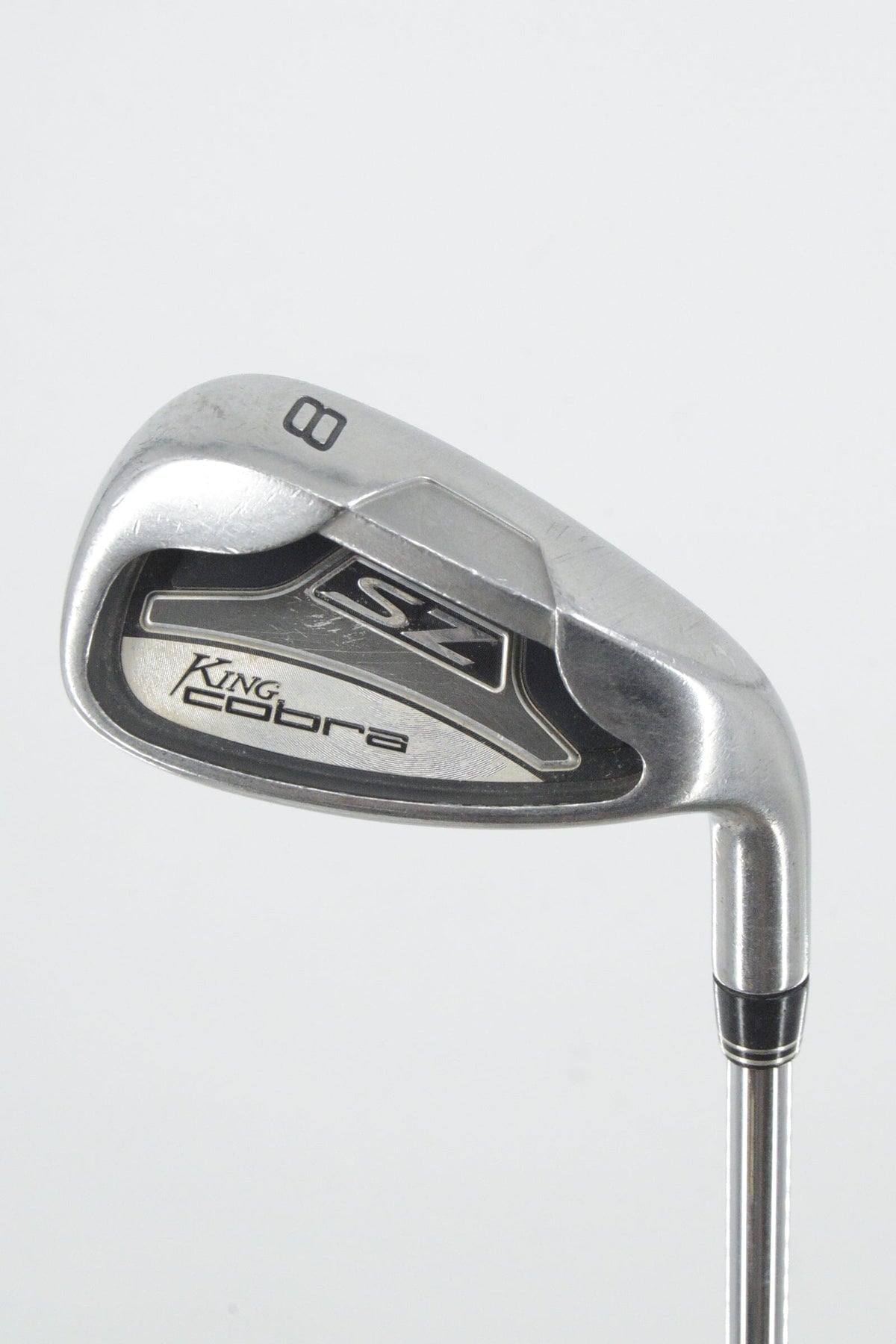
| Typical clubs | 7 iron to pitching wedge, sometimes a hybrid | Sand wedge, gap wedge or lob wedge |
| Best when | You have green to work with and nothing in the way | You must carry rough, a bunker or a ridge |
When should I chip instead of pitch?
Chip whenever you can. A low shot that lands on the green and rolls is easier to control than a high one, because a small mistake in contact costs you a few feet instead of a few yards. Many teachers use the rule "putt if you can, chip if you can't putt, pitch only if you have to."
Pitch when something is in the way: thick rough between you and the green, a bunker, or a pin cut close to your side of the green with no room for the ball to roll out.
How do I hit a basic chip?
- Narrow stance, a little more weight on your front foot.
- Ball slightly back of center.
- Hands just ahead of the ball.
- Rock your shoulders like a putting stroke and keep your wrists quiet.
- Pick a landing spot a few feet onto the green and let the ball roll from there.
Change the club to change the roll. A 9 iron rolls out more than a sand wedge with the same stroke.
How do I hit a basic pitch?
- Stance a little wider than a chip, weight still slightly forward.
- Ball in the middle of your stance.
- Let your wrists hinge on the backswing and turn your body through the shot.
- Control distance with the length of your backswing, not by swinging harder.
Need the ball to go even higher and stop almost dead? That is a flop shot, which uses an open face and a bigger swing. It is a riskier shot and best saved for when nothing else works.
Where do the terms come from?
We could not find a reliable source showing when golfers first called these shots a chip and a pitch. "Pitch" has long meant to throw or toss something so it lands in a spot, which fits a shot that flies to a landing point and stops. "Chip" suggests a small, short strike. Treat both as plain descriptions that stuck, not terms with a documented first use.
What wedge do I need for chipping and pitching?
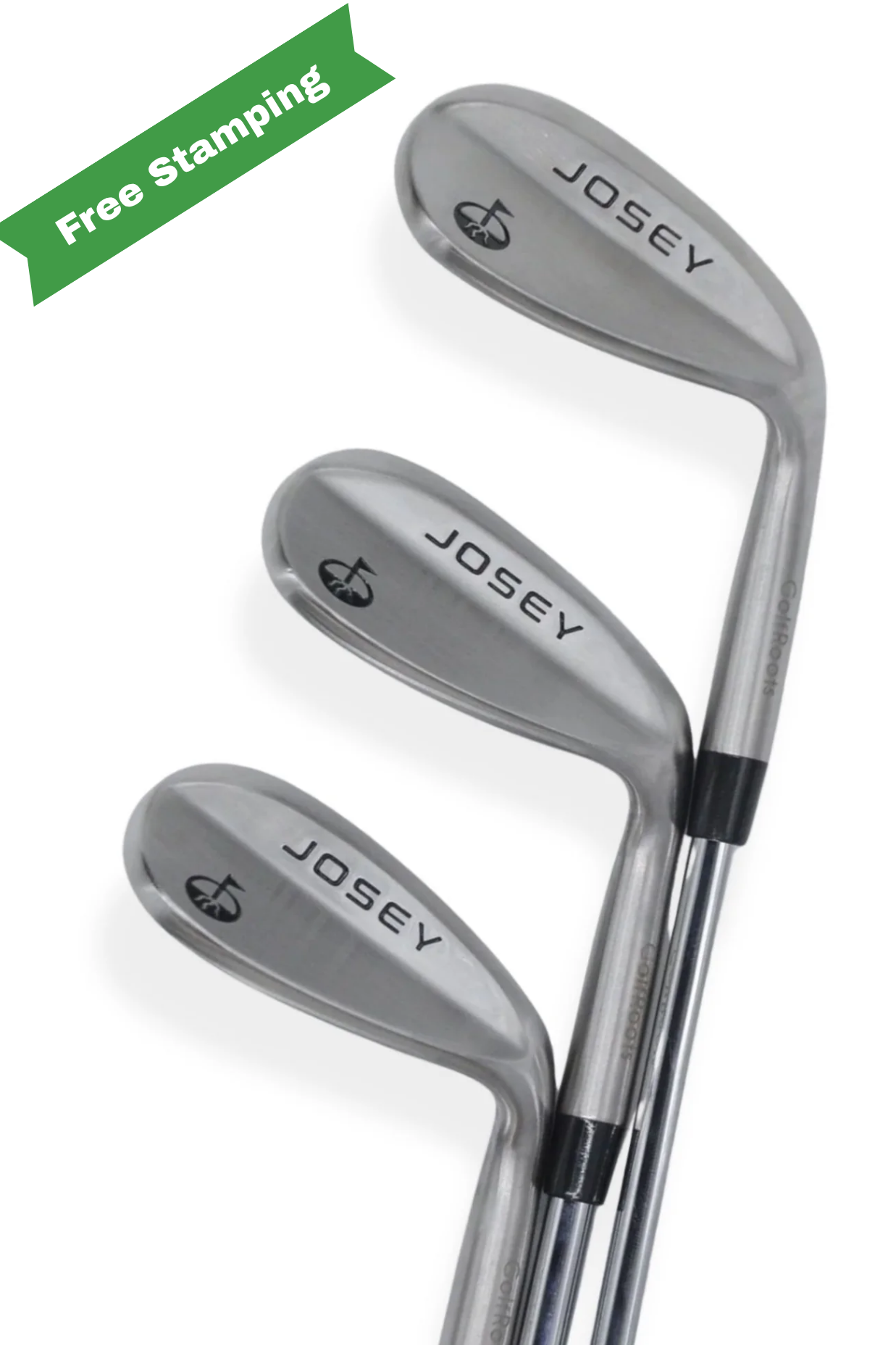
Most golfers chip well with a pitching wedge or 9 iron and pitch with a sand wedge around 54 to 56 degrees. A lob wedge (58 to 60 degrees) helps on tight pins. Worn grooves matter less on chips than on full shots, but a wedge with flattened grooves will spin less from the rough. Our guide on judging used club condition explains what to look for, and you can shop used wedges by loft. Curious how the sand wedge came to be? Read the history of the golf wedge.
Frequently asked questions
Is a chip or a pitch easier?
A chip, for most golfers. The shorter stroke and lower flight are more forgiving of small mistakes.
Can you chip with a hybrid?
Yes. From the fringe or short grass, a hybrid with a putting stroke gets the ball rolling quickly and is hard to mishit.
What is a bump and run?
Another name for a low running shot, often played from farther off the green than a standard chip. It is common on firm links courses. See what is a links course.
How far off the green is a pitch?
There is no set distance. A pitch can be 10 yards or 50. What makes it a pitch is the higher flight and the carry, not the yardage.
Looking up other golf words? Browse our golf terms glossary.