



To judge a used golf club, look at the parts that affect performance first (the face, the grooves on wedges, the shaft and the grip) and treat scratches on the sole, crown and topline as cosmetic. Then confirm the specs match the listing, make sure the club is genuine, and buy from a seller that grades condition clearly and takes returns. Here is the checklist we use on the bench, club by club.
What should you check on the grips?
Grips are the part most likely to be worn on a used club, and the cheapest to fix. Golf Pride recommends regripping at least once a year for regular players. Signs a grip is done:
- A shiny, slick surface that feels harder than it should
- Faded or missing paint fill on colored grips
- Cracks, splits, or rubber and cord that is breaking down
- Worn spots under the thumbs
Don't pass on a good club over bad grips. Just budget for them. At GolfRoots, regrip labor is $6.99 per club plus the grip, and our repair page lists installed prices by grip model.
How do you check the face and grooves?
On drivers, woods and hybrids, look for dents, cracks or caving in the face. Light ball marks and worn paint on the face are normal. A crack or a depression in the hitting area is a hard no.
On irons, the face and grooves should be clean and defined. A worn spot in the center of the face shows heavy use but usually still plays.
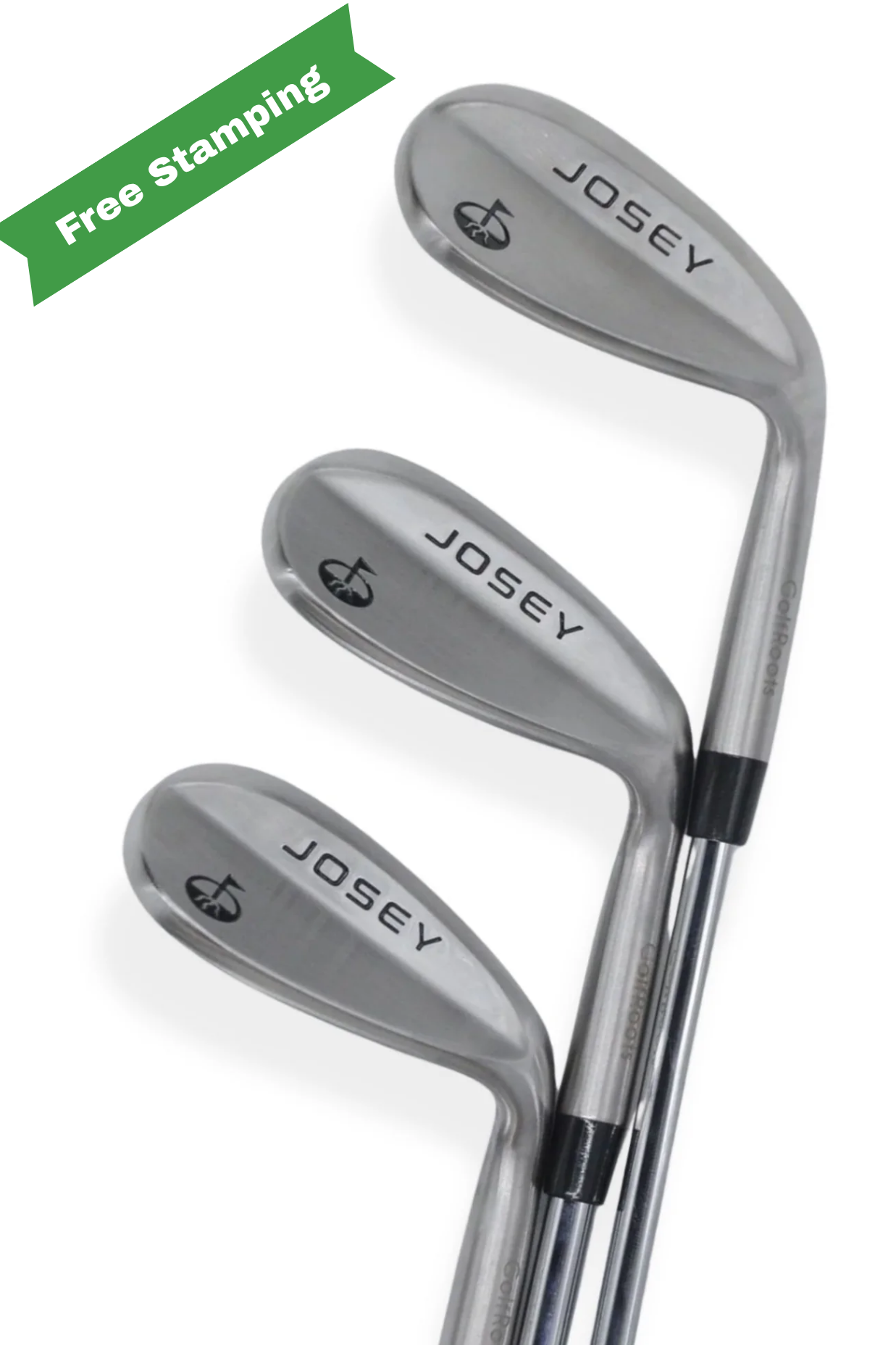
Wedges wear fastest, and groove wear costs you spin. Titleist suggests evaluating wedges at about 75 rounds. In a MyGolfSpy test, a 56 degree wedge hit to a 50 yard target averaged about 7,000 rpm new and about 3,700 rpm after the equivalent of 75 rounds of bunker wear, and it launched higher and carried less consistently. Vokey's own staff say the first sign of lost spin is the ball launching higher than normal. To check a used wedge, run a fingernail across the grooves. It should catch. If the face feels smooth in the middle, price it as a practice club. When you shop our used wedges, look closely at the face photos and ask us if you want a groove check.
Do scratches on the sole, crown or topline matter?
Mostly no. Sole scratches come from turf and bag chatter, and they don't change how the club performs. Same with nicks on an iron's back or light wear on a putter's sole.
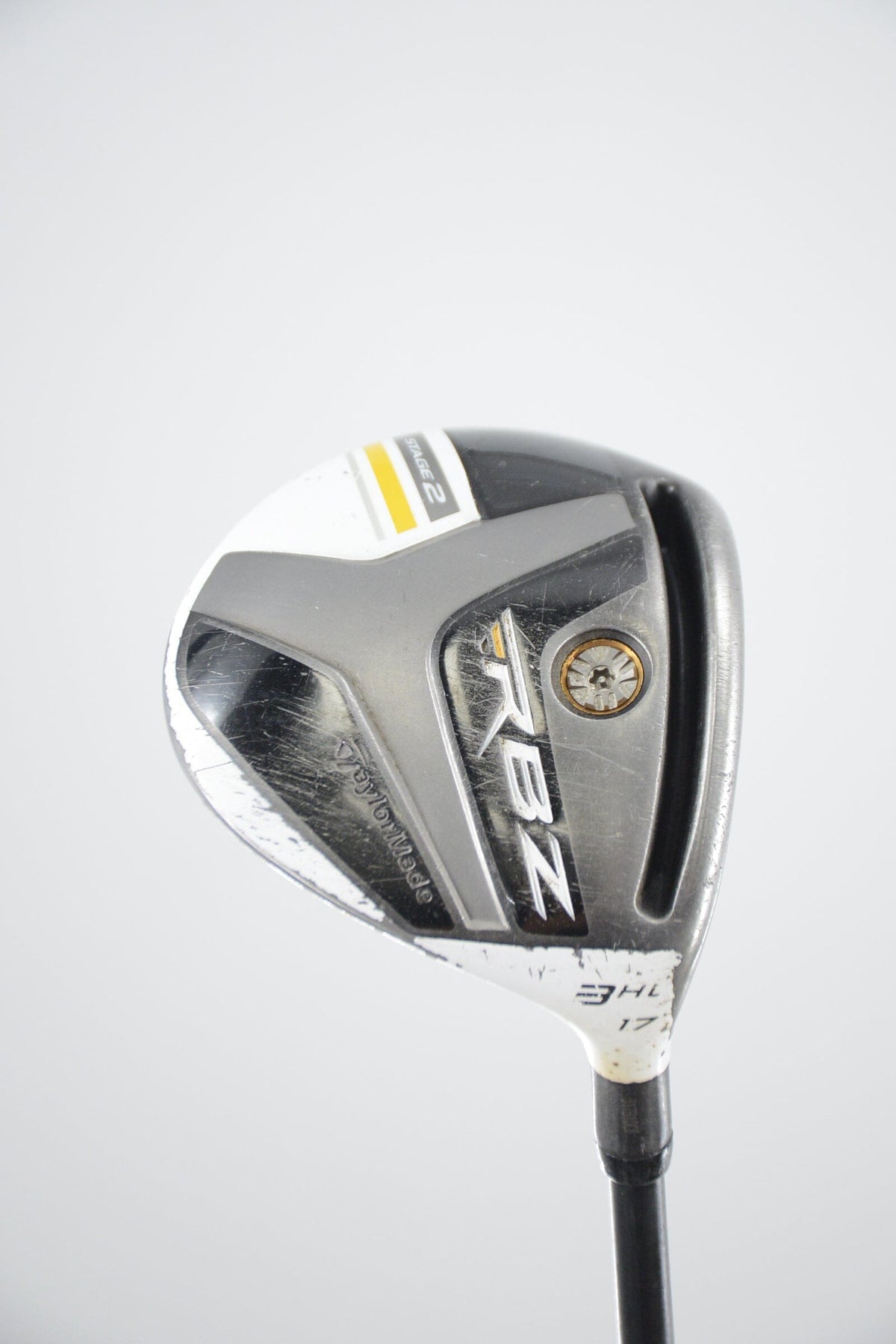
Driver crowns get the most worry. "Sky marks" are scuffs on the top of the crown from hitting under the ball. They are cosmetic, but they can bother you at address, so look at the photos and decide if you can live with them. What is not cosmetic: a dent you can feel, a crack that runs into the crown or face, or a rattle inside the head. When you browse used drivers, look at the crown photo as well as the face.
What should you look for on the shaft?
- Steel shafts: look for dents, kinks and rust. Light surface rust can often be cleaned. A dent or bend is a reason to pass or reshaft.
- Graphite shafts: look for cracks, deep scratches or splintering, especially near the hosel and under the grip. Run your fingers along the shaft. Paint chips are cosmetic. Fibers showing are not.
- Is it the shaft listed? Read the label and flex on the shaft and check it against the listing. Many used clubs have been reshafted, which is fine, but you should know what you are buying. Our guide on how to identify your golf clubs helps match a head to its model and year.
- Length: a club that has been cut down or extended will play differently. Good listings give the exact length.
What about ferrules, adapters and head covers?
Ferrules are the plastic rings where the shaft meets the head. A loose, cracked or spinning ferrule is a cheap fix, but it can hint that the head was pulled or the club was reshafted. Check that the head is solid with no glue line or movement.
Hosel adapters on adjustable drivers, woods and hybrids need to match the head's brand and system. Make sure the adapter is included, the screw isn't stripped, and you know which loft setting it's on.
Head covers are nice to have but are not part of the club's value for performance. Don't overpay for one.
How can you spot a counterfeit golf club?
Counterfeiters copy the clubs people want, so treat a cheap Scotty Cameron putter or a current model driver from a big brand with extra care. Major manufacturers even formed a joint anti-counterfeiting working group to go after fake club operations. Red flags:
- The price is too good. Titleist's own staff advice is that if the deal is too good to be true, it probably is.
- The seller can't be traced. Be careful with unknown third party sellers on marketplace sites, items shipping straight from overseas factories, and sellers who want untraceable payment.
- The details are off. Extra glue, discoloration, sloppy engravings, mismatched weights or screws, or anything that differs from photos of the real model.
- Scotty Cameron putters: compare every detail against known genuine examples. Titleist staff have said that even slight differences point to a fake, and that Scotty Cameron's custom shop can check authenticity. If you are in doubt, don't buy.
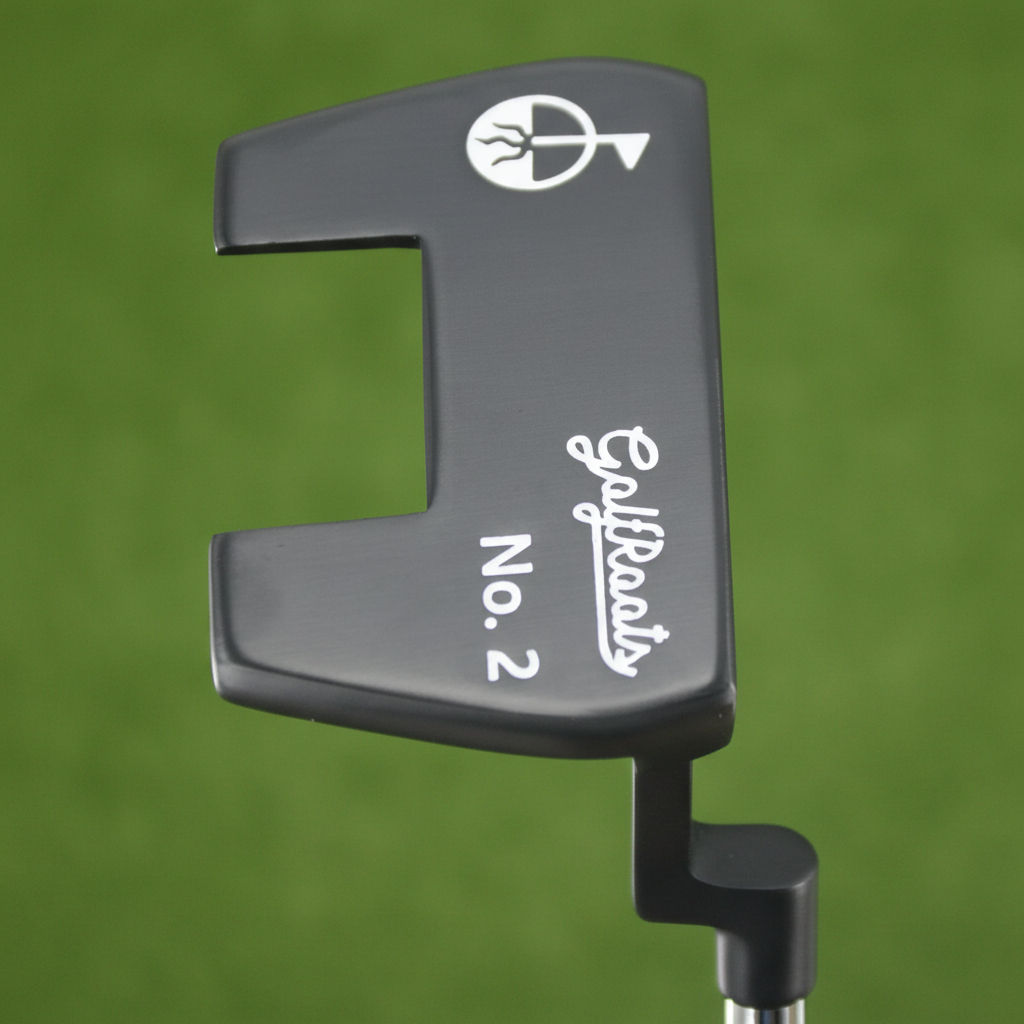
Every club at GolfRoots is inspected and graded before it's listed, and that includes our used putters.
How should you read a seller's condition grade?
Every seller grades differently, so read the actual description and photos, not just the label. At GolfRoots, every used club is listed with a 1 to 10 condition grade and its exact specs. A few examples you'll see on live listings:
- 10 - NEW (never been hit before)
- 8 - Excellent
- 6 - Great
- 3 - Fair (heavy use)
A lower grade often means cosmetic wear and a better price, not a worse club. For irons, our guide to reading a used iron set listing walks through the specs line by line, and what wears out and what doesn't explains which wear actually matters.
Should you buy used clubs online or in person?
Both work. In person you can hold the club, check the face and shaft yourself, and hit it. If you're near Dallas, you can try clubs on our in-shop simulator in Farmers Branch, Monday through Friday, 8am to 5pm.
Online gives you more selection. The tradeoff is that you're trusting the seller's photos and grading, so the return policy matters. GolfRoots accepts returns within 60 days of when you receive your order. You can take the full value as store credit or a refund minus a 3% restocking fee ($15 minimum). Whoever you buy from, read the return terms before you check out.
FAQ
Are scratches on a used driver a problem?
Usually not. Scratches on the sole and crown are cosmetic. Cracks or dents in the face or crown are the real problem.
How do I know if wedge grooves are worn?
Drag a fingernail across the grooves. If it doesn't catch, or the center of the face feels smooth, the wedge has lost spin.
Is it worth buying a used club with bad grips?
Yes, if the rest is sound. Grips are cheap to replace and should be changed regularly anyway.
How can I tell if a Scotty Cameron is fake?
Compare it closely to known genuine examples, be wary of low prices and untraceable sellers, and have it authenticated if you're unsure.
Sources
- Golf Pride, "Grip Wear" (Grip Academy)
- Titleist, "How do I inspect my wedges for groove wear and spin loss?"
- MyGolfSpy, "Stop Using Worn Wedges: We Show You The Exact Spin Loss After 75 Rounds"
- GOLF.com, "Are you buying a counterfeit golf club? Here are three ways to check"
- LINKS Magazine, "How to Spot Fake Clubs"
- Titleist, "Scotty Cameron: real or fake?" and "How can I make sure that I purchase authentic Titleist product"