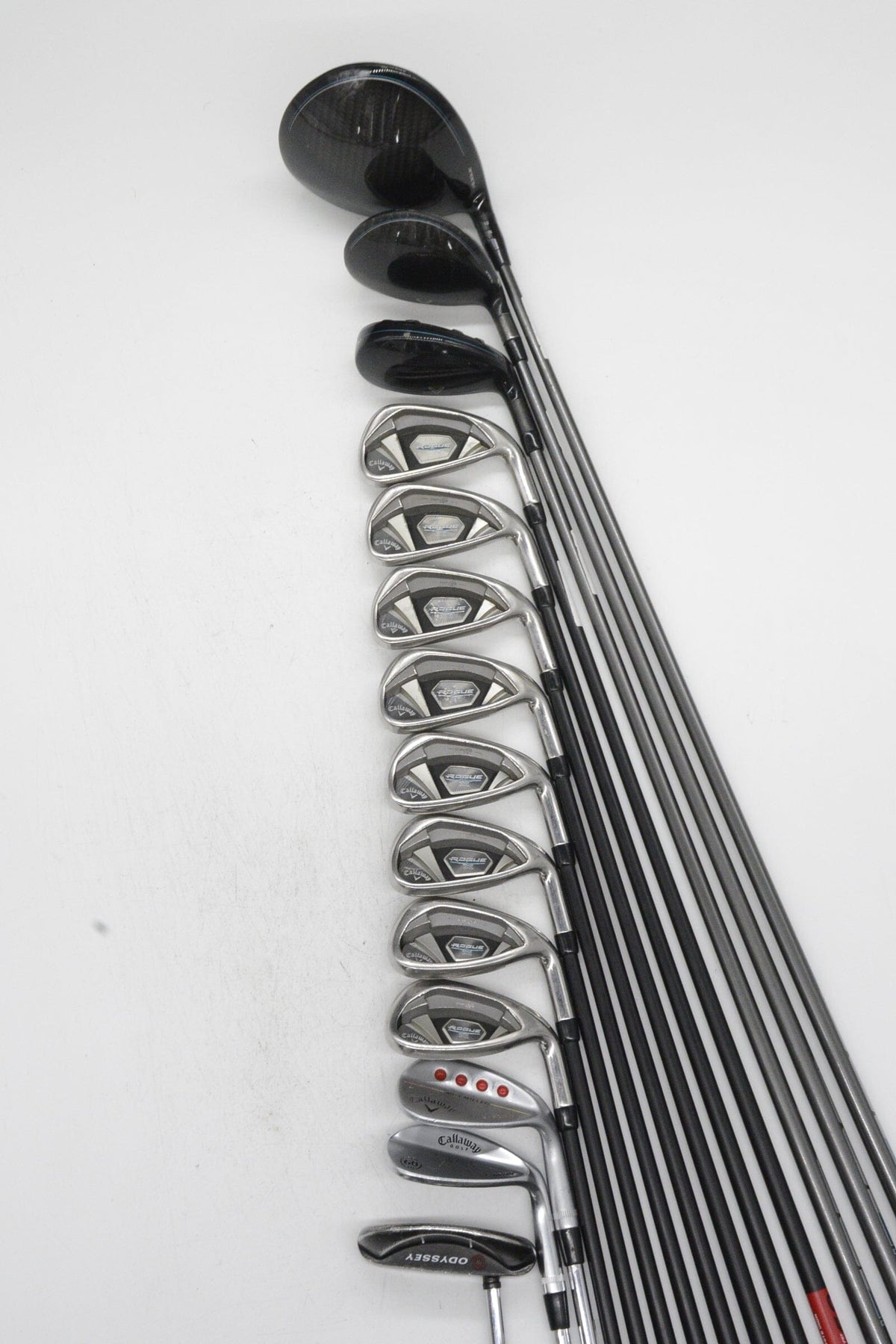


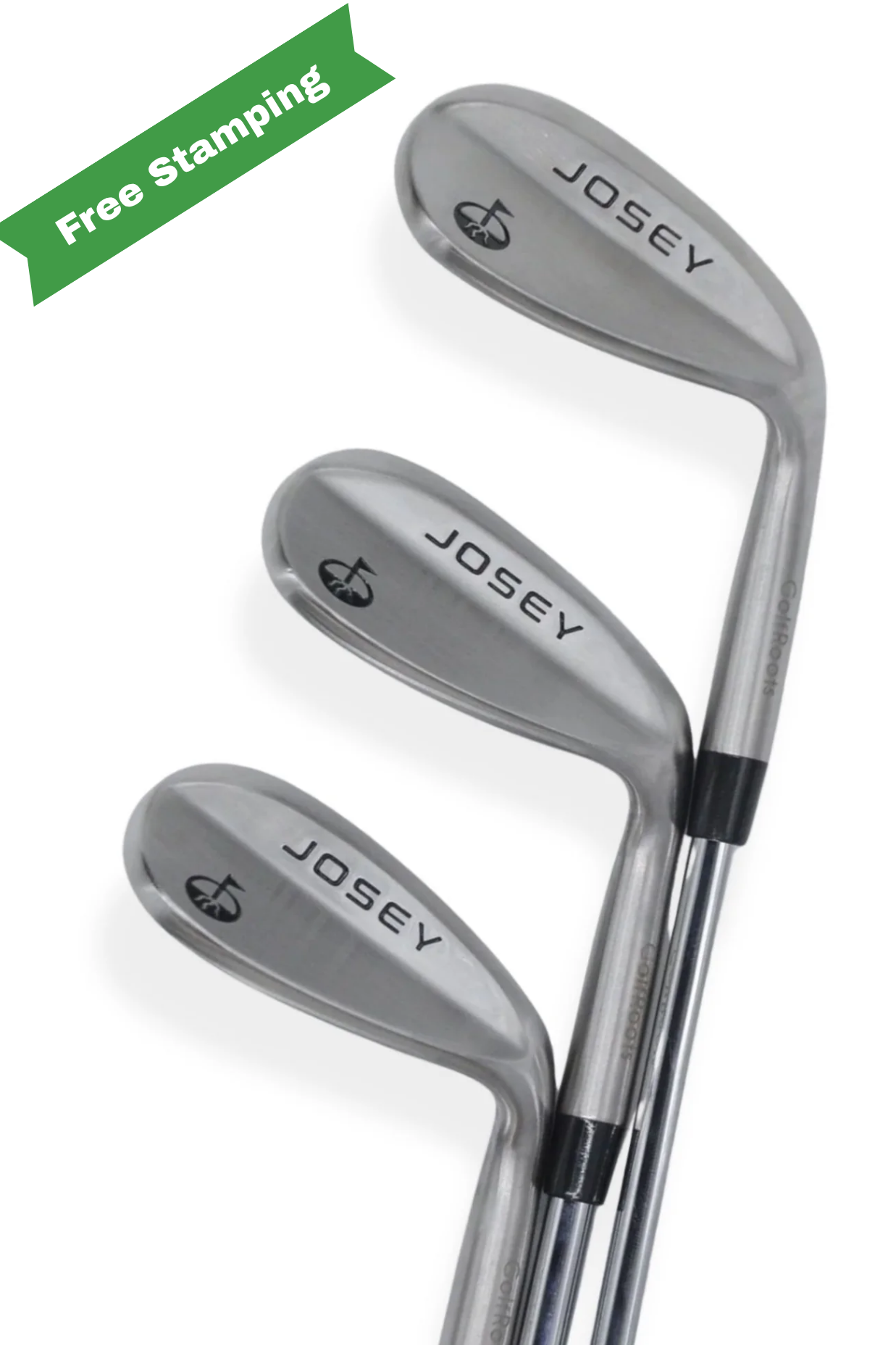
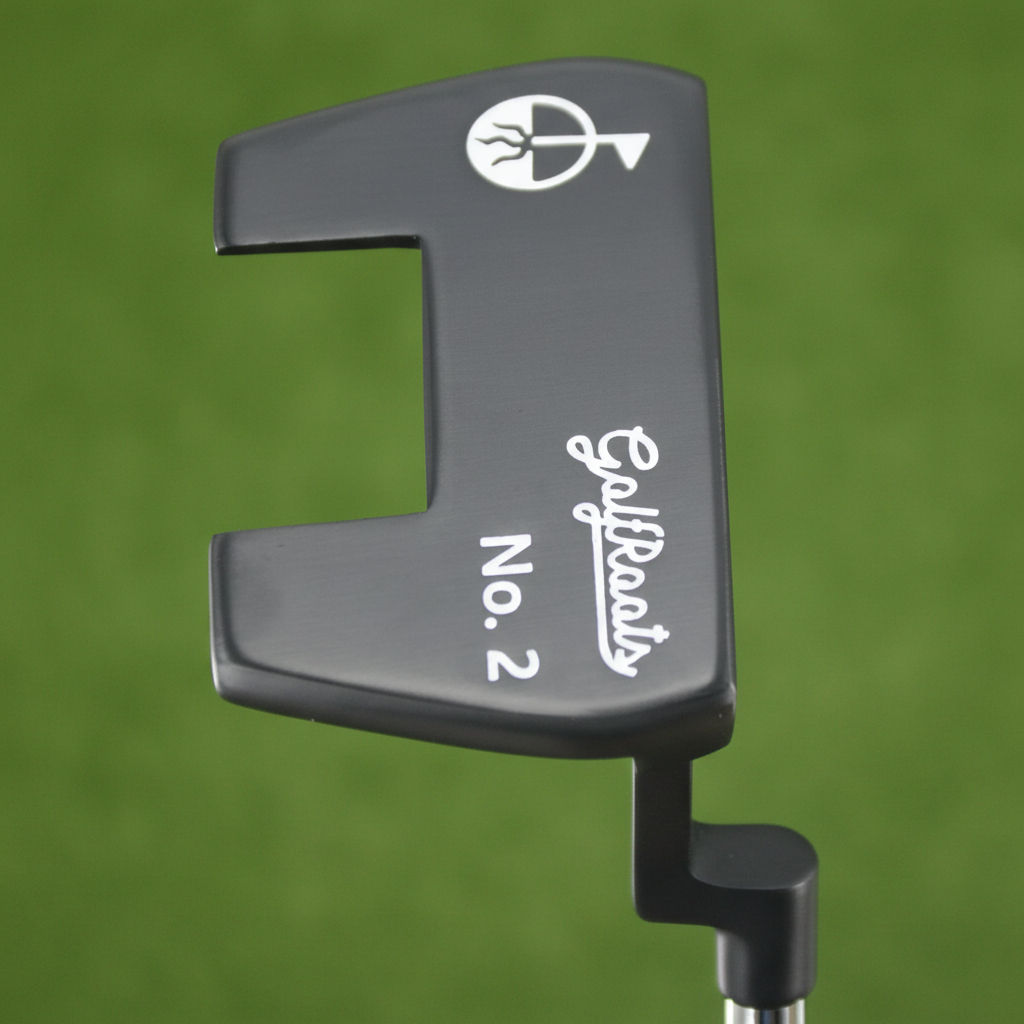


Most fake golf clubs are drivers and putters, and Scotty Cameron putters are the single most copied club out there. You can catch most of them with a handful of checks: a price that is too low, a seller you can't trace or that ships from overseas, a serial number that is missing or sloppy, paint fill and fonts that don't match the real thing, weight and swingweight that are off, and a shaft, grip, ferrule or headcover that doesn't look right. If more than one of these shows up, walk away.
Which golf clubs get counterfeited the most?
Counterfeiters copy what people want to buy. The major club makers fight fakes together through the U.S. Golf Manufacturers Anti-Counterfeiting Working Group, formed in 2004, whose members include Titleist, Scotty Cameron, Callaway and Odyssey, Srixon, Cleveland and XXIO, PING, PXG and TaylorMade. A spokesperson for that group told LINKS Magazine that drivers and putters are the most counterfeited clubs and that Scotty Cameron putters are the most counterfeited product of all. The group also says more than 90 percent of fake clubs are made in China.
- Putters: Scotty Cameron above all. Fakes of collector pieces like Circle T putters exist too, since the real ones can sell for thousands.
- Drivers: current models from the big brands, because they carry the highest new price.
- Wedges: popular tour wedges get copied as well. Titleist's own owner forum has plenty of "is this Vokey real?" threads.
- Parts: raids on counterfeit operations have turned up fake shafts and grips, not just heads, so a real head on a fake shaft is possible.
Is the price too good to be true?
This is the first check and it catches the most fakes. Titleist's own staff put it simply: if the deal is too good to be true, it probably is. Know what the club usually sells for used before you shop. A current driver or a Scotty Cameron at a fraction of its normal used price is a warning sign, not a lucky find. For a sense of real used Scotty Cameron prices, see where to buy a used Scotty Cameron putter, and to look up what any club should be worth, use our guide on how to identify your golf clubs.
Who is selling it, and where is it shipping from?
Most counterfeits are sold through unknown third party sellers on marketplace sites and through copycat websites. Watch for:
- Shipping straight from China. GOLF.com and Golf Monthly both point out that the major brands assemble and ship their clubs in the U.S., so a "new" club mailed from an overseas address deserves real suspicion.
- Stock photos or blurry photos. Fake listings often borrow the manufacturer's photos or use pictures too soft to show detail. Ask for clear photos of the exact club: face, sole, back, hosel, shaft label and grip.
- Look-alike web addresses. Golf Monthly warns about sites with an extra letter or number in a brand's name.
- No return policy and odd payment requests. A seller who won't take the club back, or wants a payment method you can't dispute, is asking you to take all the risk.
A safer pattern: buy from a shop with a real address you can visit, real photos of the club you'll actually receive, and a written return policy.
Does the serial number check out?
Many drivers, woods and wedges from the major brands carry a serial number, often on the hosel. Golf Monthly suggests checking that the club has one and that it looks clean and clear, not shallow, crooked or smeared. Look up where that number should sit on that model, because it varies by brand and model.
Two limits to know. First, not every manufacturer can verify a serial number for you, and Golf Monthly notes that a retailer had to call the manufacturer to confirm one fake. Second, a serial number on its own doesn't prove anything. Titleist staff have said a Scotty Cameron can't be authenticated by serial number alone because counterfeiters copy real numbers. Treat a missing or messy serial as a red flag, and a clean one as one good sign among several.
Do the paint, fill and fonts match the real club?
Put the club next to photos of a known genuine example, ideally from the manufacturer, and compare up close:
- Paint fill should sit neatly inside each engraving. Fill that bleeds over the edges is one of the tells golfers point to on fake putters.
- Fonts and logos. Golf Monthly points out that brands use their own custom fonts, which counterfeiters usually can't match exactly. Letters that are a little too thick, thin or spaced out are worth noticing.
- Colors. The shade of a crown, a sole insert or a sight dot should match that model.
- Finish quality. Extra glue, discoloration or soft, blurry stampings are signs of a factory that wasn't the real one. On a Scotty Cameron, face milling should be crisp and even.
Titleist staff advise comparing the club you're buying against authentic product. Counterfeits have gotten better, though. In LINKS Magazine's reporting, salespeople couldn't tell some fakes from real clubs at three to five feet. Look closely, in good light.
Does it weigh and feel right?
Fakes are often built with cheaper materials and less care, and it shows on a scale. Golf Monthly reports that counterfeit heads often miss the manufacturer's swingweight by a long way and that iron heads may not be hollowed out the way the real ones are. If you can, weigh the head or the whole club and compare it to the published spec or to a known genuine club of the same model and length. A swingweight scale is even better.
Sound counts too. The anti-counterfeiting group told LINKS Magazine that a fake can sound different when you tap the head. Golf Digest also lists sound at impact as something to check.
What about the shaft, grip, ferrule and headcover?
- Shaft: the shaft band and labels should be straight, correctly spelled and the right color for that shaft. Golf Monthly notes shaft bands on fakes are often misaligned. Fake shafts can also splinter or snap, which is a safety issue, not just a value one.
- Grip: check the logo, texture and feel against the brand's real grip. Fake grips exist, so an "original" grip that feels hard or cheap is worth a second look.
- Ferrule: it should be on cleanly with no glue mess. A sloppy ferrule can mean a fake, or just a head that was pulled and reshafted, so ask.
- Headcover and box: fake clubs often come with fake headcovers. Stitching, logo placement and materials should match the real thing. A box or headcover doesn't prove a club is genuine, since those get copied too.
For the normal wear you'll see on a genuine used club, see how to judge the condition of used golf clubs.
Can I get a club authenticated?
Sometimes. Titleist staff have said you can send a Scotty Cameron to Scotty's Custom Shop for authentication, and that this service is mostly used for custom shop and limited edition putters rather than stock models. Check Scotty Cameron's site for the current process before sending anything. For other brands, call the manufacturer's customer service with the model and serial number, knowing they may not be able to verify every club.
How does GolfRoots handle this?
Every club at GolfRoots is inspected and authenticated before it's listed, then graded with a 1 to 10 condition grade and its exact specs. We photograph every putter we list. If something isn't right, you can return it within 60 days of receiving your order for full store credit, or a refund minus a 3% restocking fee ($15 minimum). You can also come see a club in person at our shop in Farmers Branch, Monday through Friday, 8am to 5pm.
Shopping for a putter? Browse our used putters and look at the face, sole and grip photos on each listing.
FAQ
What is the most counterfeited golf club?
Scotty Cameron putters, according to the manufacturers' anti-counterfeiting group. Drivers are the other most common target.
Does a serial number mean a club is real?
No. A missing or sloppy serial number is a red flag, but counterfeiters copy real serial numbers, so a clean one is only one good sign.
Does GolfRoots authenticate the clubs it sells?
Yes. Every club we sell is inspected and authenticated before it goes up for sale.
Are fake golf clubs illegal to sell?
Selling counterfeit branded goods infringes the brand's trademarks, and the manufacturers' group says it has worked with law enforcement on about 300 raids. If you bought a fake by accident, contact the seller and the platform you bought through.
Do fake clubs perform as well as real ones?
Usually not. Weights and swingweights are often off, materials are cheaper, and fake shafts can break.
Is it safe to buy used golf clubs online?
Yes, from a seller with a real address, real photos of the exact club and a return policy. Read the return terms before you check out.