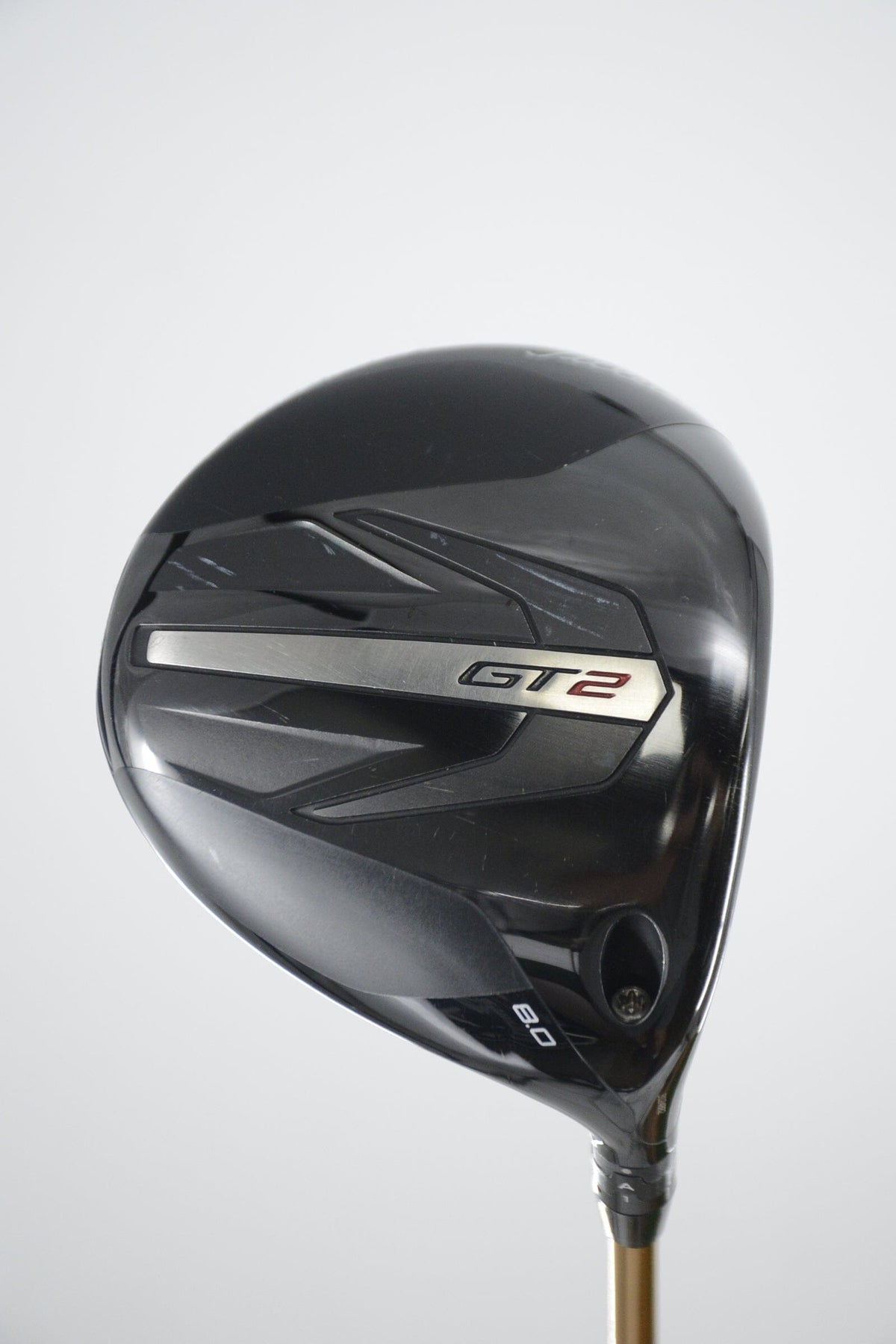


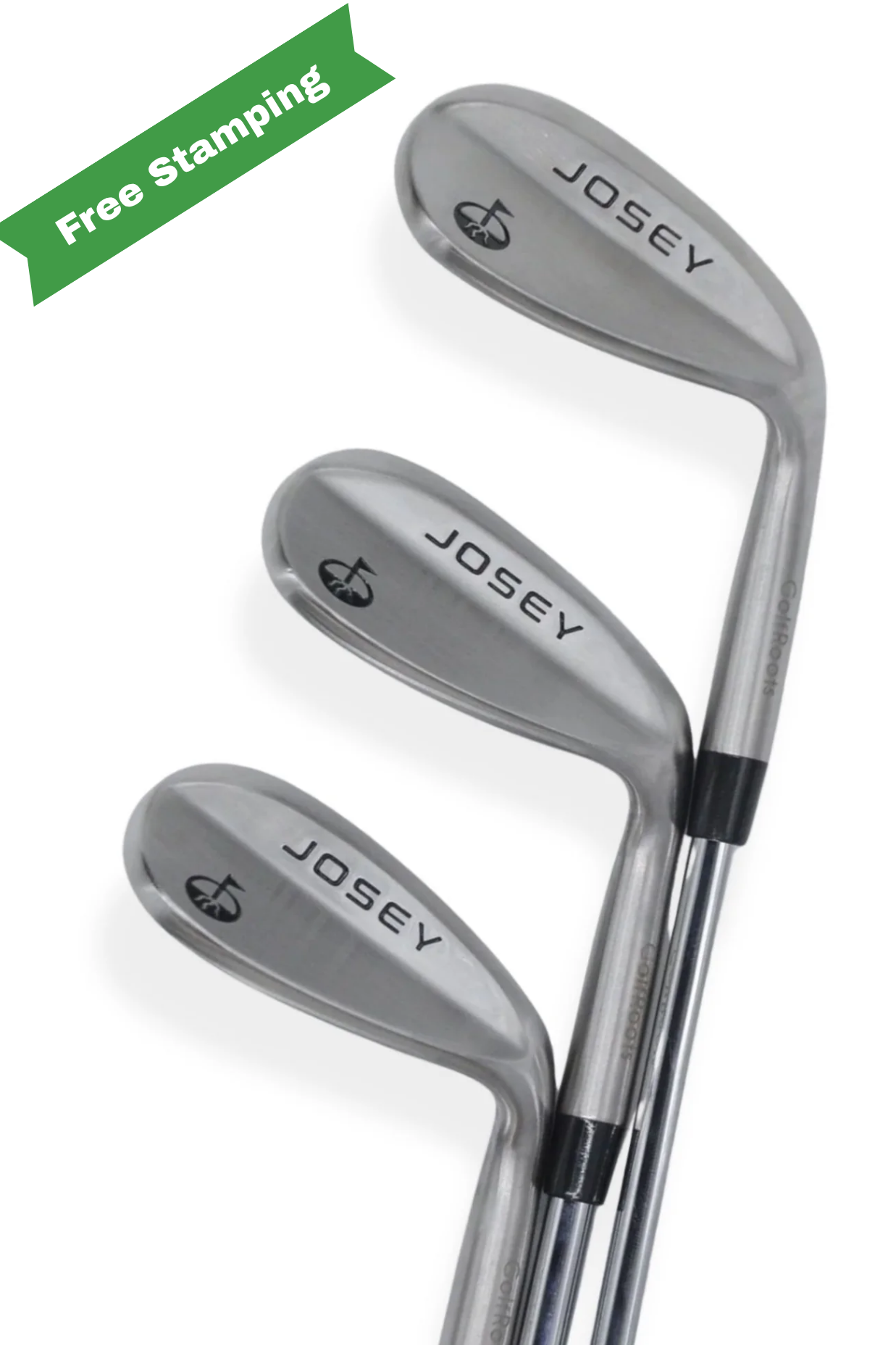
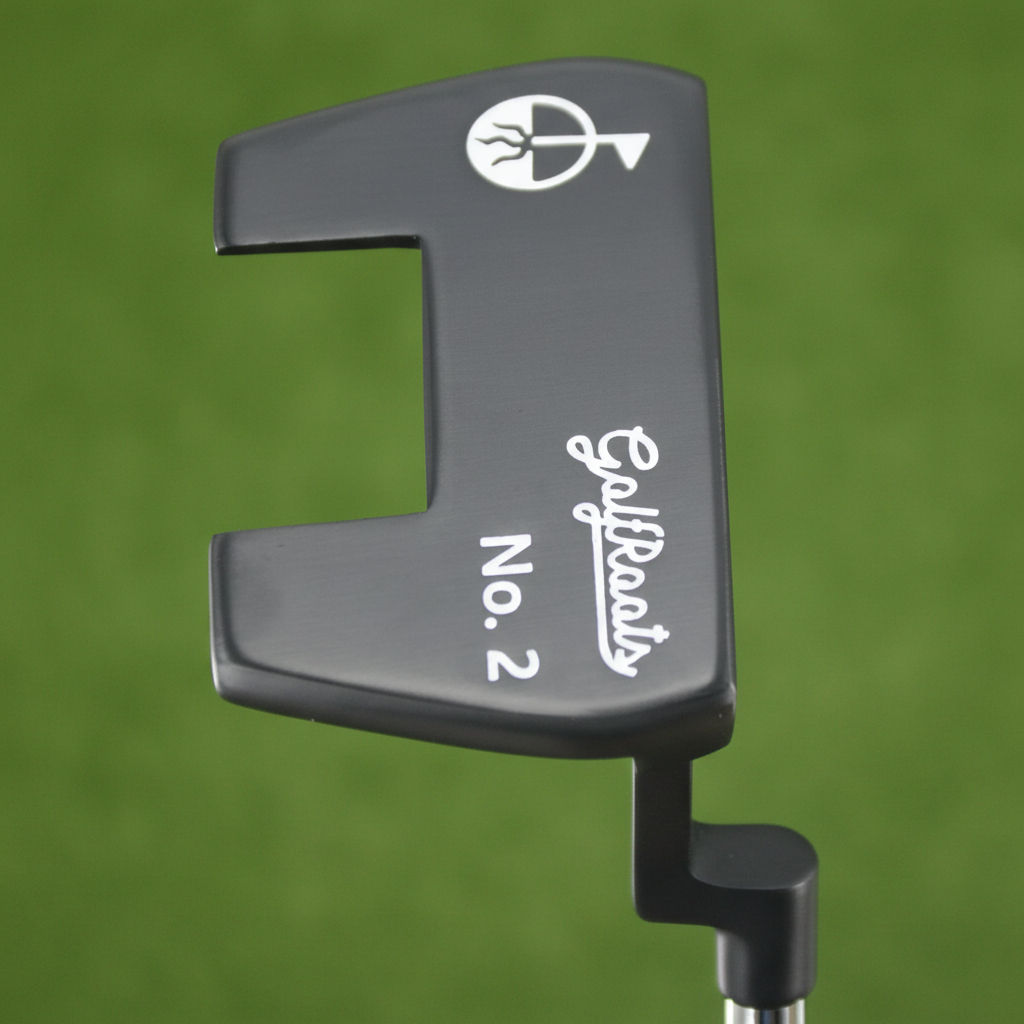


Driving ranges and golf courses have three realistic options for old range and rental clubs: keep the good ones in service with some basic repair, pull the worn ones and sell them, or clear the whole lot at once. For most operators, the cleanest route is to retire clubs on a regular schedule and sell what comes out in one bulk sale. GolfRoots buys used clubs, including range and rental clubs, from courses and shops in bulk and pays in cash, and it costs nothing to work with us.
When should a range or rental club be retired?
There isn't a fixed number of rounds or buckets that tells you a club is done. It depends on how much use it gets, how it's stored and who's swinging it. A better approach is to look at the club and ask one question: would a paying customer be annoyed to be handed this?
A lot of operators find it easiest to do a full check once or twice a year, often before the busy season and again after it. Pull every club, sort them into keep, fix and retire, and do it all in one sitting so nothing slips through.
What are the signs a club is worn out?
- Grips. Slick, shiny, cracked or torn grips are the most common problem and the easiest to fix. If the rest of the club is fine, a regrip can put it back in service.
- Faces. Heavy wear in the center of the face or grooves that are mostly gone. This matters most on wedges and short irons.
- Shafts. Any bend, dent or crack in a steel shaft, or splintering or deep chips in a graphite shaft. A damaged shaft is a safety issue, so those clubs come out right away.
- Heads and hosels. A loose head, a rattle inside a driver or a ferrule that has slid down the hosel.
- Missing pieces. Rental sets that are missing clubs or headcovers look tired even if the clubs themselves are fine.
If you want a more detailed checklist, our guide on how to judge the condition of used golf clubs walks through what a buyer looks at.
How do you keep a rental fleet in good shape?
A rental fleet that looks cared for gets used more and complained about less. A few habits help:
- Check sets when they come back. A quick look for missing clubs, broken shafts and damaged grips catches problems before the next customer finds them.
- Keep sets complete. If a club breaks, either replace it or move the whole set out of rotation. A short set reads as neglected.
- Clean faces and grips. Dirt in the grooves and grime on the grips make clubs look older than they are.
- Store them dry. Wet bags and damp storage rooms speed up rust and grip wear.
- Offer both hands and a few lengths. Left-handed golfers and taller or shorter players notice when there's nothing for them.
- Keep a simple log. Note when each set went into service and any repairs. It makes the next retirement decision much easier.
What can you do with clubs once they're pulled?
Once you've sorted out the clubs that are done, you have a few choices:
- Repair and return. Clubs that only need grips can go back into service.
- Donate. Some operators give a few sets to local junior programs or schools. That works best for small quantities of playable clubs.
- Sell piece by piece. It sounds like more money, but someone has to photograph, list, answer questions, pack and ship every club. For most staff, that time is better spent with customers.
- Sell in bulk. One conversation, one transaction, and the storage room is clear.
We go further into the bulk route in our article on how golf courses can liquidate unsold stock, range, rental and demo clubs.
What does GolfRoots buy from courses and ranges?
GolfRoots buys unsold new stock, closeouts, demo clubs and used clubs, including range and rental clubs, from golf courses and shops. We buy in bulk and pay courses and shops in cash. There's no cost to work with us. Range and rental clubs are expected to show wear, so a lot doesn't have to be in great shape. It just needs to be described honestly.
What should you send for a quote?
You don't need a perfect inventory. A rough picture is enough to start:
- Brands and models where you know them. "Mostly Callaway and TaylorMade irons, a few Ping" is fine.
- Counts by club type, plus how many complete rental sets.
- Condition, including grips, faces, shafts and anything broken.
- Photos, a few wide shots of the whole lot and some close-ups of typical clubs. Phone photos work.
Send it to [email protected] or call 214-302-7440.
Can your customers trade in their own clubs at your range?
Yes, through our Pro Portal. Public courses, driving ranges, indoor venues, golf stores, pro shops, fitters and teaching pros can send one-off customer trade-ins to GolfRoots year round through the Pro Portal. It gives your staff a simple answer when a golfer asks what their old driver is worth. Our posts on how pro shops and fitters offer trade-ins and how indoor golf and simulator venues use the program explain how it works day to day.
One thing to know: we don't run on-site trade-in events at public courses, ranges or indoor venues. Our on-site Trade-In Events are only for private clubs, where we work with more than 350 club partners.
Is there a way to earn from customers who need new clubs?
Our affiliate program pays partners when their customers buy clubs from GolfRoots. It's a good fit for ranges and teaching pros whose customers often ask where to buy. You can register at af.uppromote.com/golfrootsaffiliate/register, and our post on the GolfRoots affiliate program covers how it works. Like everything else we offer partners, it's free to join.
FAQ
Does GolfRoots buy worn range clubs?
Yes. Range and rental clubs are expected to show wear. Describe the condition honestly and include photos.
How does GolfRoots pay?
GolfRoots pays courses and shops in cash.
Is there a fee to sell to GolfRoots or join a partner program?
No. It costs nothing to work with GolfRoots or join any of our partner programs.
Do you buy unsold new clubs and demos too?
Yes. We buy unsold new stock, closeouts and demo clubs along with used range and rental clubs.
Will GolfRoots hold a trade-in day at our public range?
No. On-site Trade-In Events are only for private clubs. Public courses and ranges can send customer trade-ins year round through the Pro Portal.
Where can I see all of the partner options?
Everything is on our golf business partner programs page. You can also reach us at 214-302-7440 or [email protected].