



club spotlight
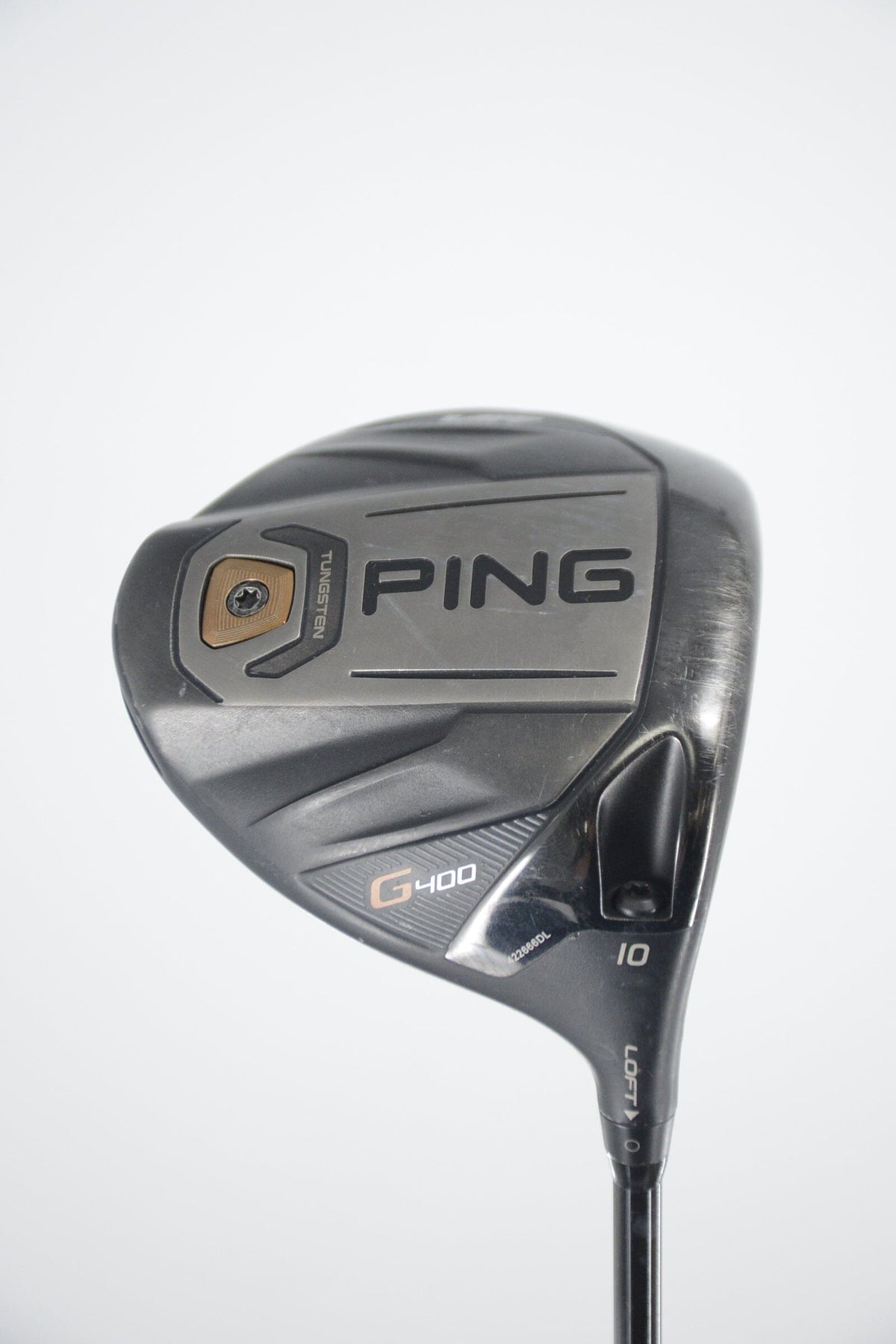
Ping G400 Driver: The 2017 Line With the Dragonfly Crown
The Ping G400 driver launched in July 2017 in three 445cc versions, followed by the larger G400 Max in January 2018.
club spotlight
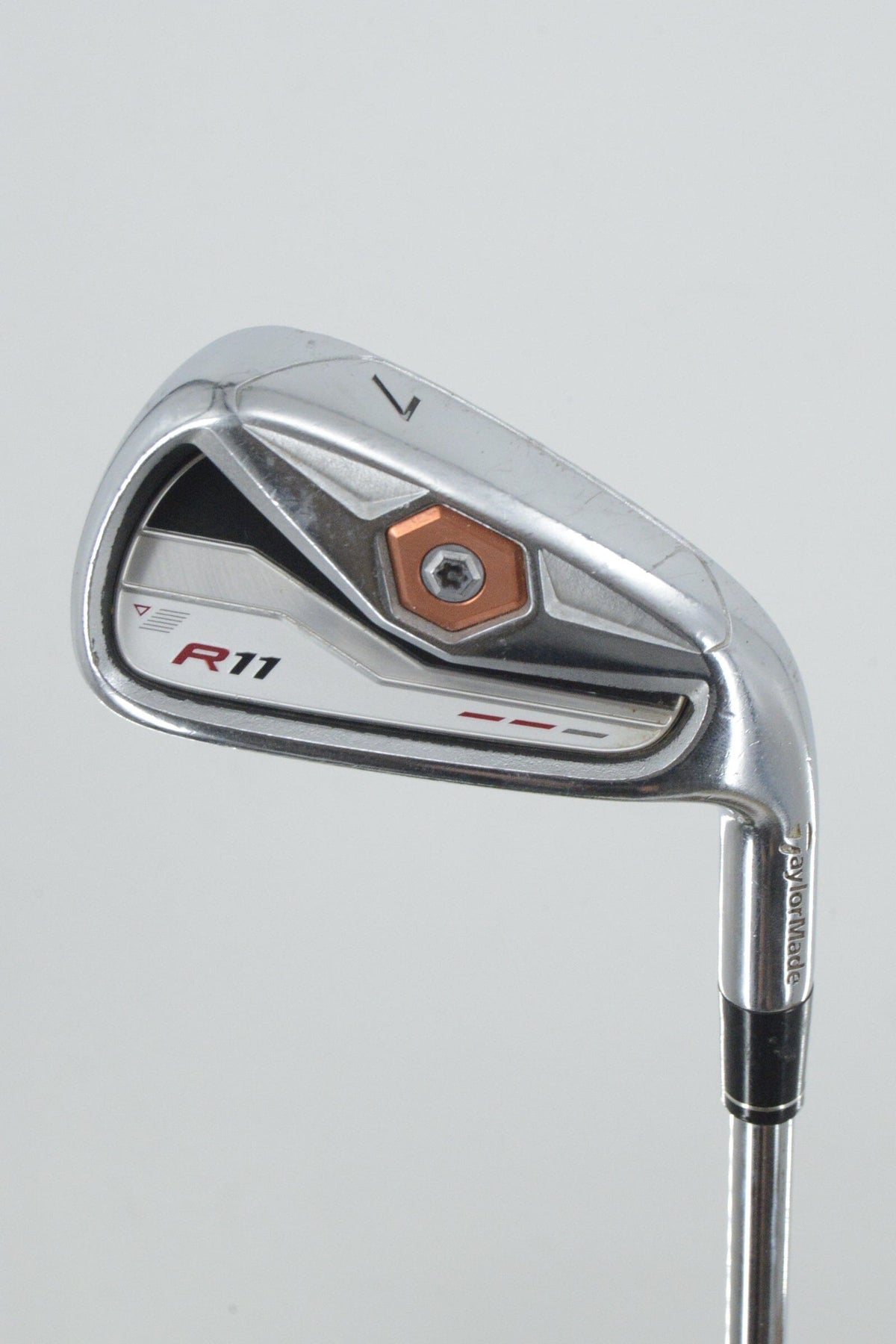
TaylorMade R11 Irons: The 2011 Set That Followed the White Driver
The TaylorMade R11 irons reached stores on September 1, 2011, as the iron half of a line that started with the white R11 driver. Here is what the set was built to do and how it fits a bag today.

Glossary
What Is a Triple Bogey in Golf? Meaning, Scoring and How to Avoid One
A triple bogey is three strokes over par on a hole: a 6 on a par 3, a 7 on a par 4 or an 8 on a par 5. Here's how it happens and how to stop it.
Content Series
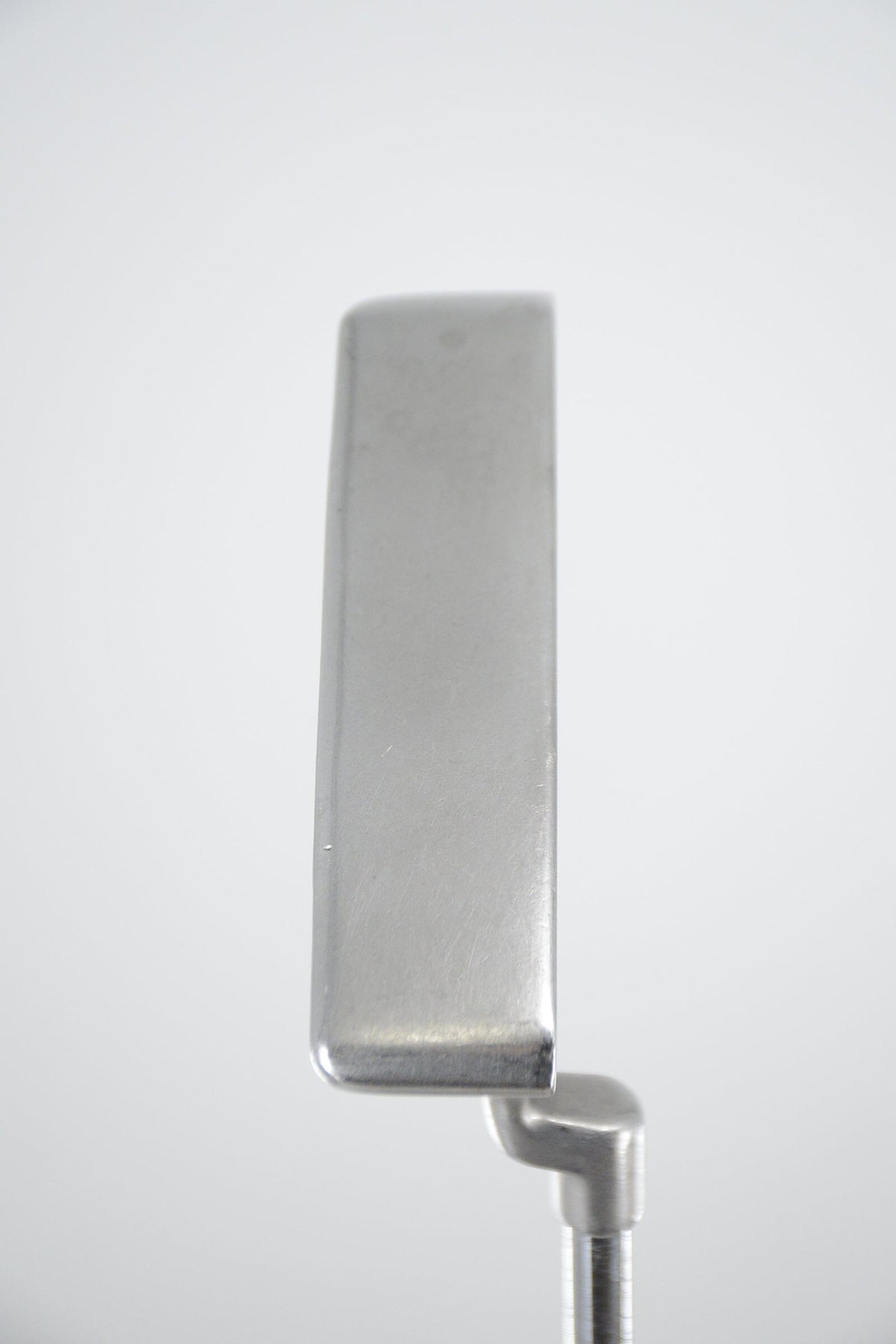
How Ping Started: Karsten Solheim, a Garage Putter and the Sound That Named a Company
Ping was named after the sound Karsten Solheim's putter made at impact. How a Norwegian-born engineer who took up golf in his 40s built one of golf's biggest family-owned companies.

Glossary
What Is a Punch Shot in Golf? How and When to Hit It
A punch shot is a low, controlled shot used to keep the ball under the wind or under tree branches. Here's how to hit one and when it's the right call.

Arlington
Texas Rangers Golf Club in Arlington: Course Guide to the MLB-Themed Muni
Texas Rangers Golf Club is Arlington's city course, rebuilt in 2019 as the only Major League Baseball-branded golf course in the world. Here's what to know before you play it.
club spotlight
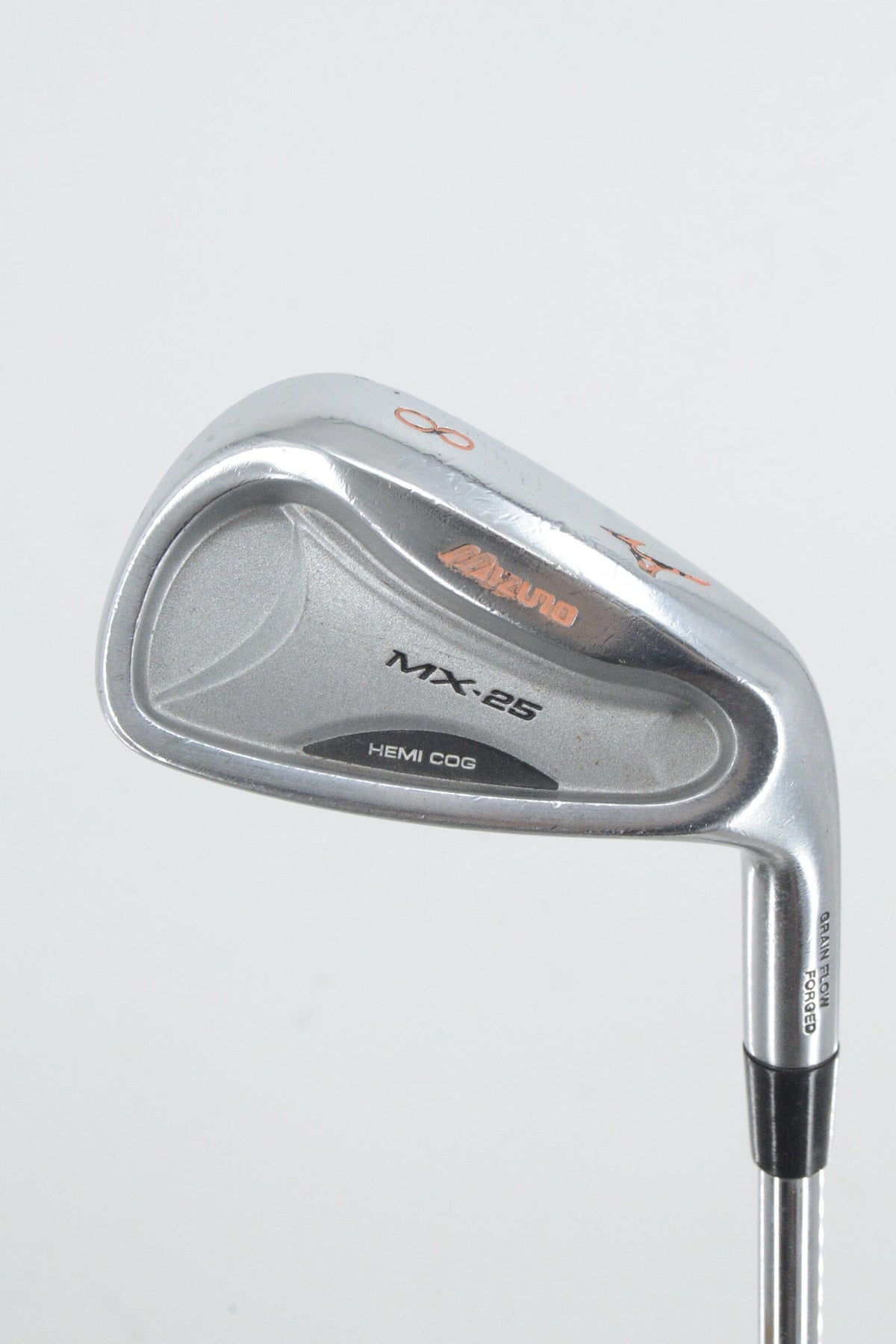
Mizuno MX Irons: The Numbered Line Mizuno Built Before JPX
Mizuno MX irons were the company's numbered game improvement and mid handicap line from the early 2000s to about 2010. Here is how the models differ and what to look for when buying one used.

Golf History
The Titleist Story: Phil Young, Acushnet and the X-Ray That Started It All
How a missed putt and an X-ray led Phil Young and Acushnet to the first Titleist ball in 1935, and what came after, from the first Titleist irons to the Pro V1.

Glossary
What Is a Lay Up in Golf?
A lay up is a shot you hit short on purpose to stay out of trouble. Here's when to lay up, how to pick the right layup distance, and what we know about the term's origin.
